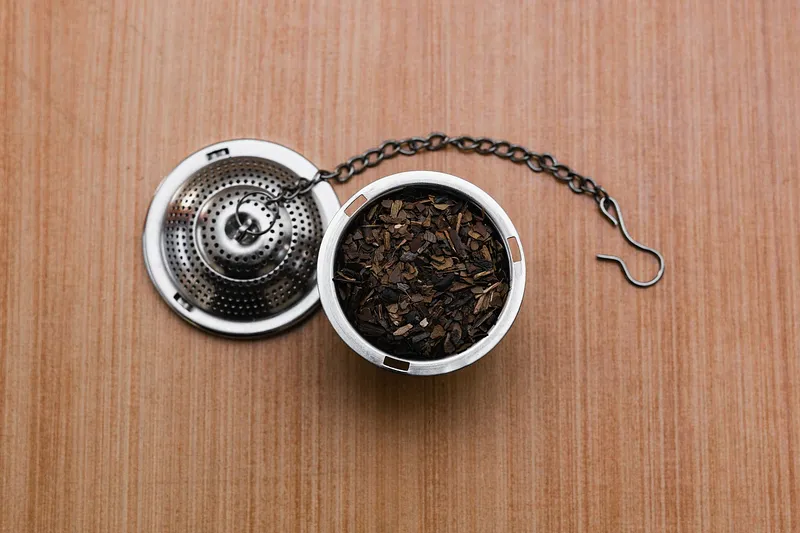
Can You Reuse Tea Leaves?
Yes — most loose leaf gives two or three cups. Which teas reuse best, how to time the second steep, and the one safety rule.

Yes — most loose leaf gives two or three cups. Which teas reuse best, how to time the second steep, and the one safety rule.
About one teaspoon per 8 oz cup, or 2-3 grams. How to adjust for fluffy versus rolled leaf, and when a scale helps.
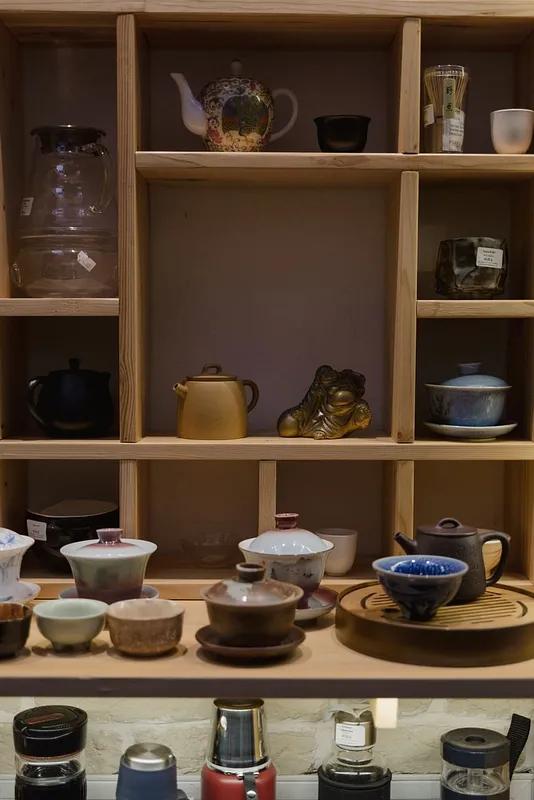
A complete tea setup costs about $60. What to buy first, what can wait, and where spending more stops improving the cup.
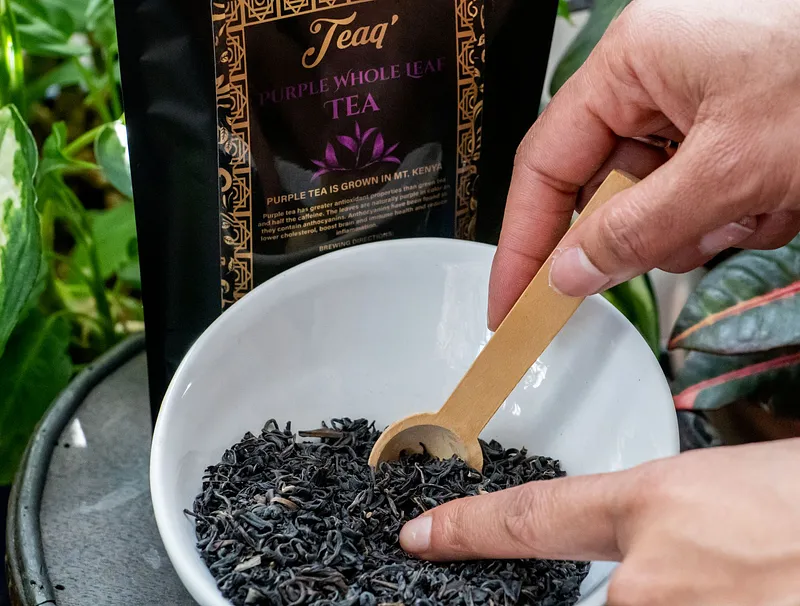
Leaf-to-water ratio by volume and by weight, why a teaspoon misleads, and how to tell strength apart from bitterness.
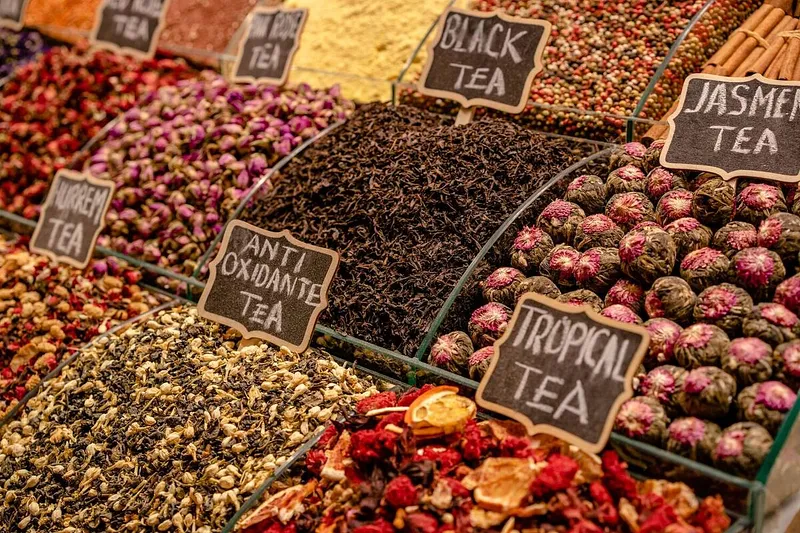
A starter flight of five teas — green, oolong, black, white, and pu-erh — and what each one teaches you about brewing.
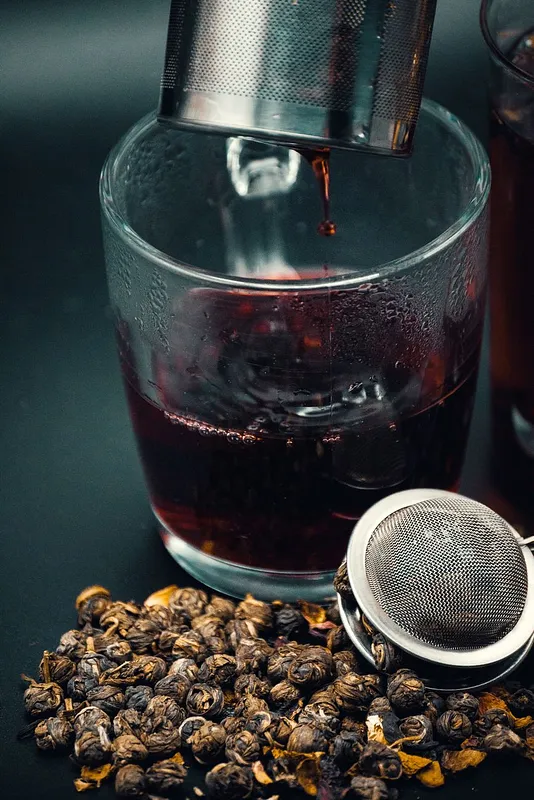
Loose leaf tea, start to finish: how much leaf, how hot the water, how long to steep, and why you take the leaves out.
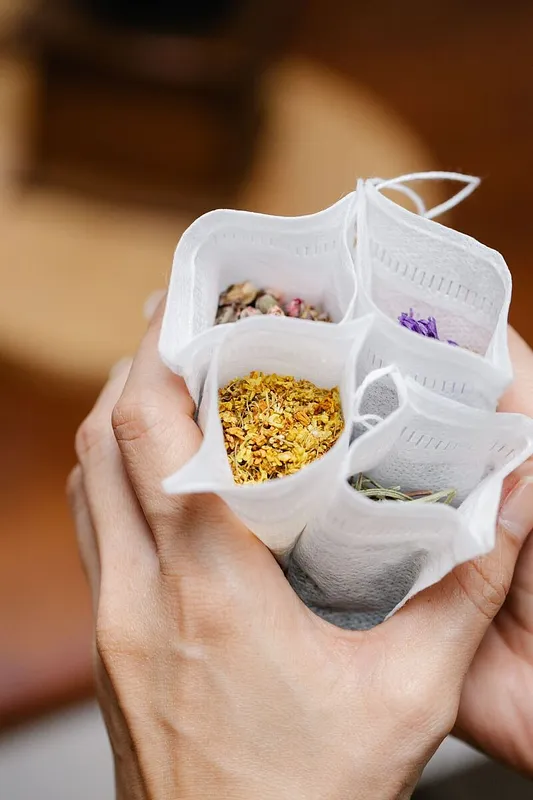
Leaf size, room to unfurl, and freshness are the real differences between loose leaf and bags. When each one makes sense.
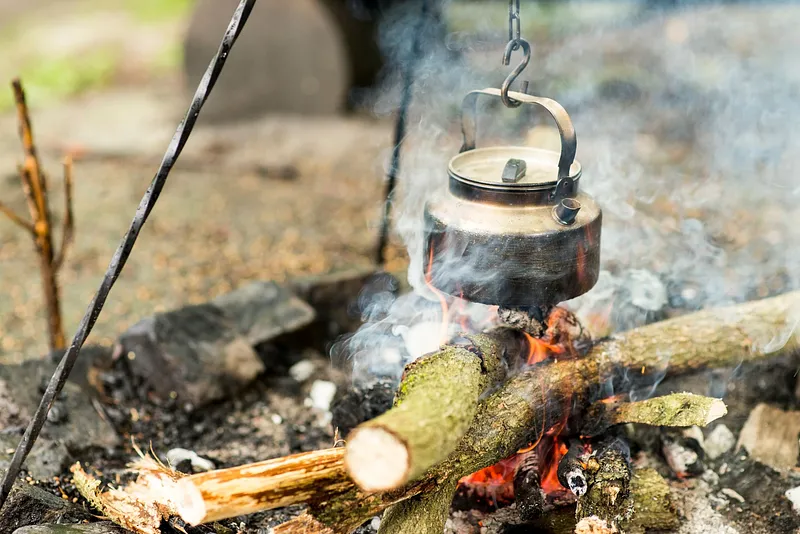
Sturdy loose leaf, a basket infuser, and your camp stove. How altitude changes the brew, cold brewing on the trail, and what to do with spent leaves.
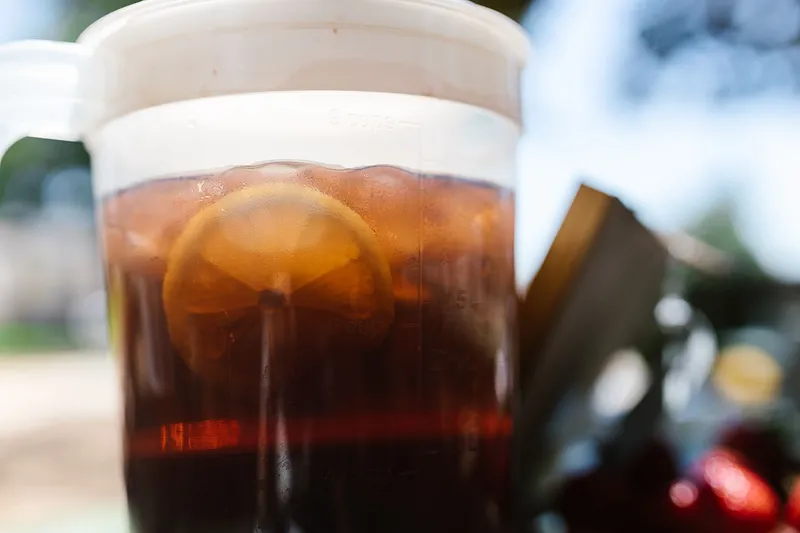
Cold brewing tea takes 6-12 hours in the fridge and can't go bitter. Ratios, timing, and which leaves shine cold.
Hard water flattens tea and re-boiled water tastes dull. How to tell if your water is the problem, and what to do about it.
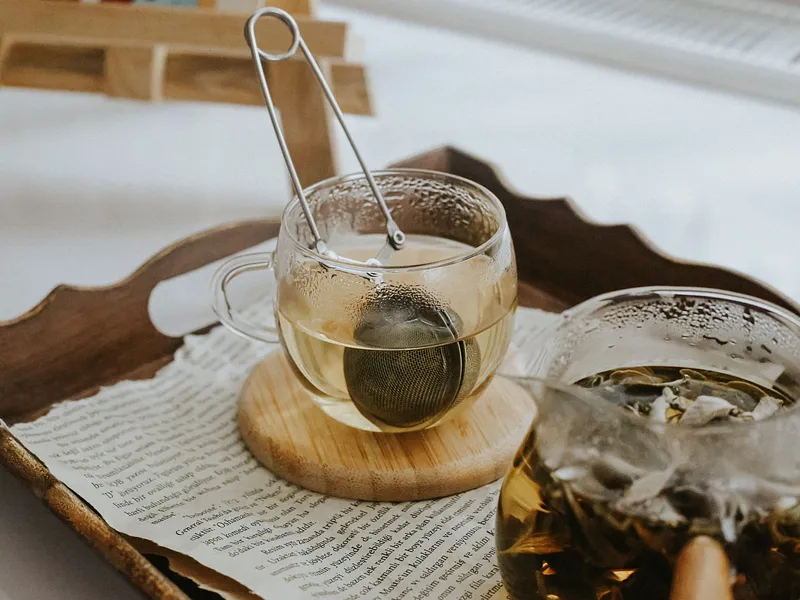
Most loose leaf gives two or three infusions, and some are best on the second. How to time a re-steep and which teas deliver.
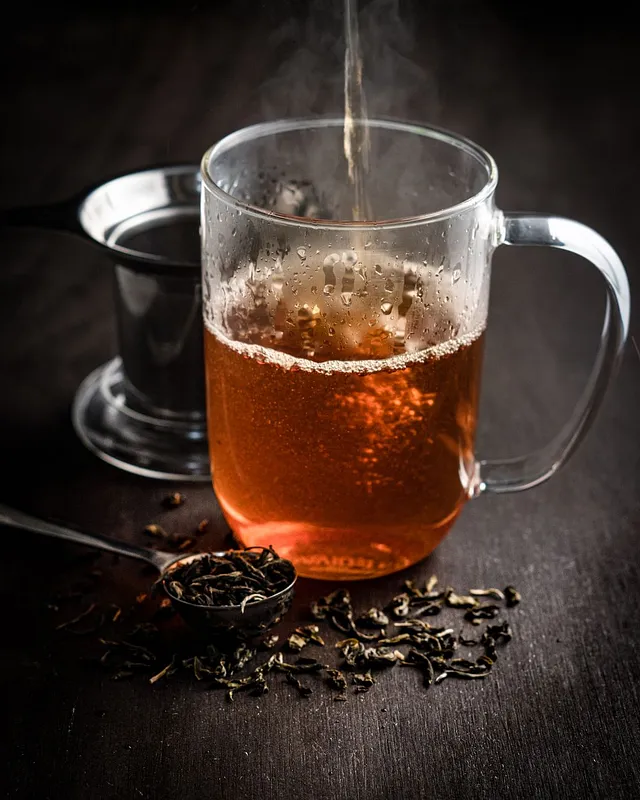
Over-steeped tea turns bitter and drying because tannins keep extracting. Why it happens, and how to rescue the cup.
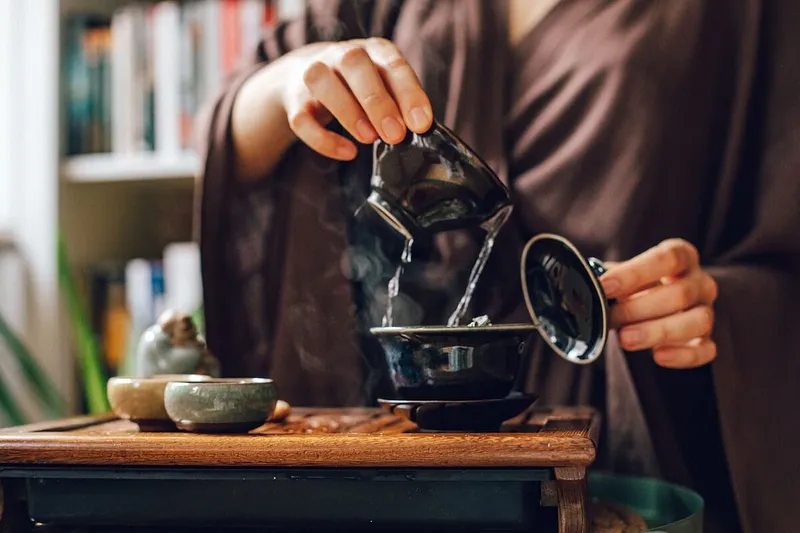
Water that's too hot scorches delicate leaves and pulls out bitterness. The right temperature for every type of tea.
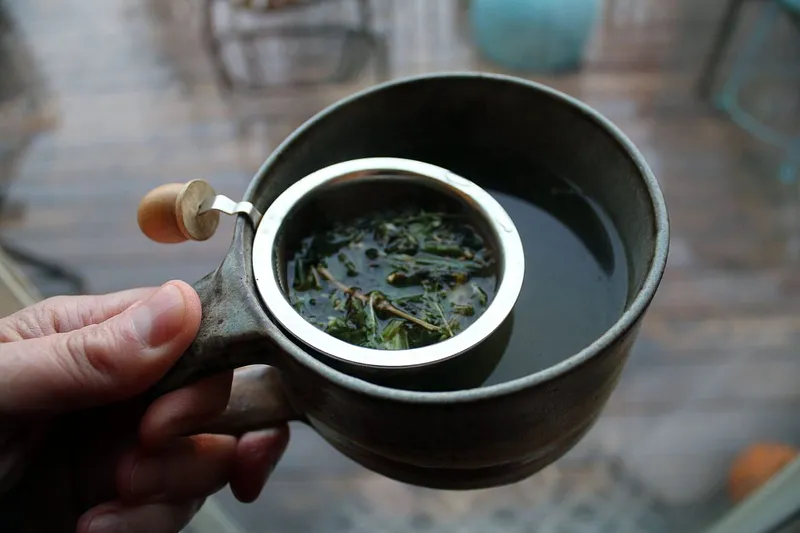
Steeping times and water temperatures for green, white, oolong, black, pu-erh, and herbal tea, plus how to adjust to taste.
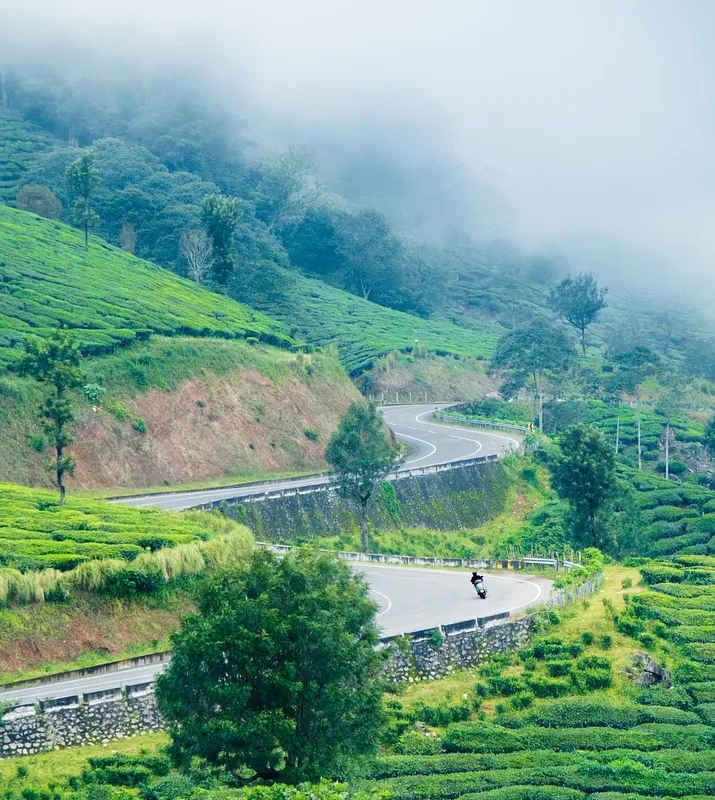
Same plant, different processing. How oxidation makes one green and one black, and how brewing them differs.
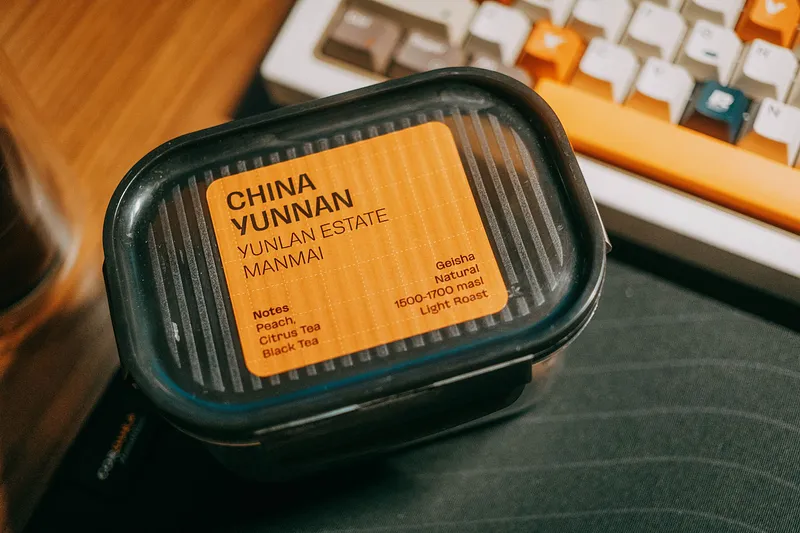
What the regions, flushes, and grading letters on a black tea label actually tell you — and which ones to ignore.
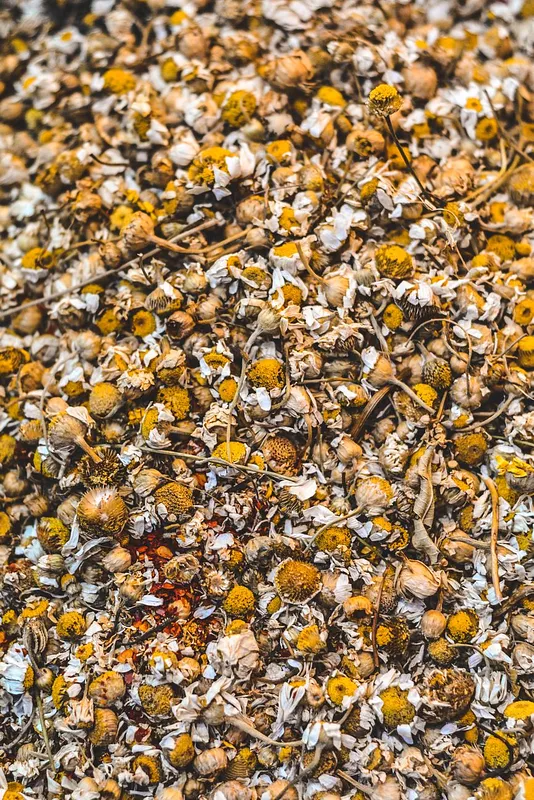
Chamomile, peppermint, rooibos, hibiscus, and ginger aren't tea at all. What that means for brewing them properly.
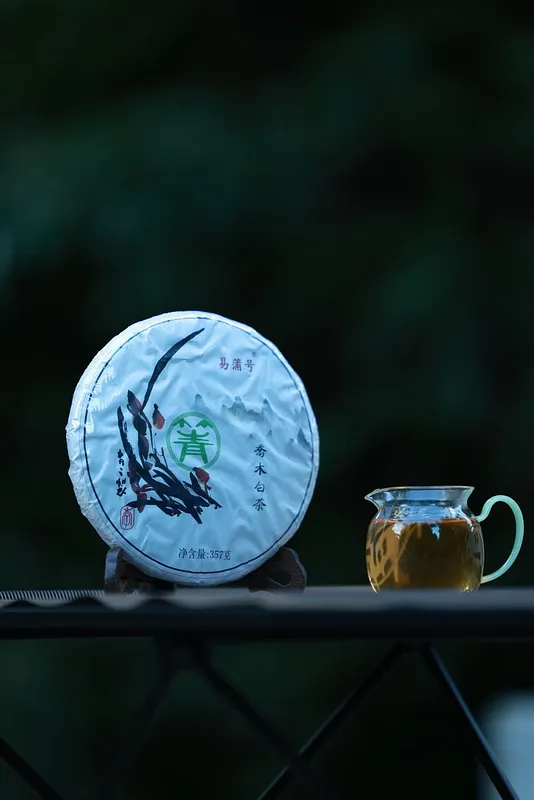
Sheng and shou pu-erh explained: how fermented tea differs from oxidized tea, why you rinse it, and how to store it.
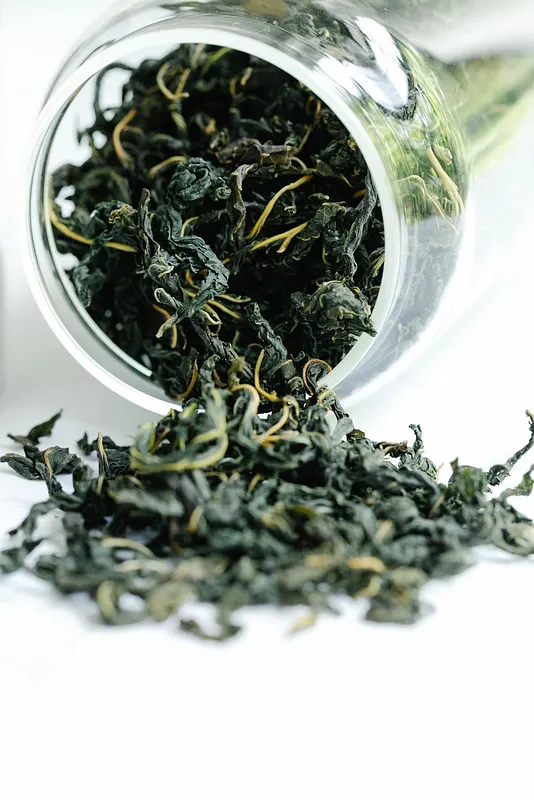
Oolong is partially oxidized tea, and the range is enormous. How oxidation and roast shape the cup, plus four to know.
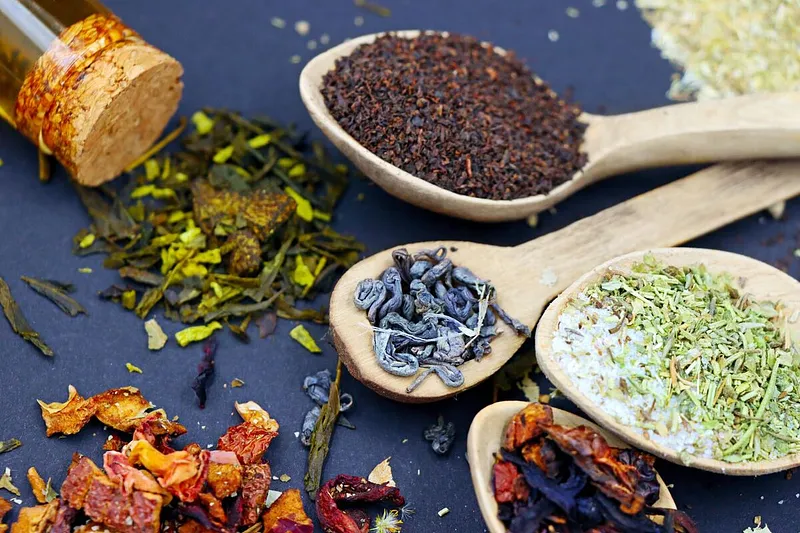
Green, white, yellow, oolong, black, and dark tea all come from one plant. What oxidation does, and how each type tastes.
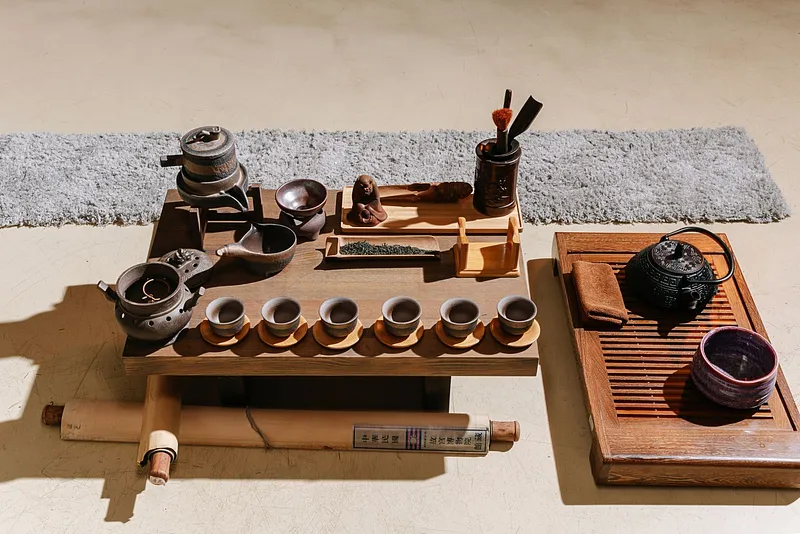
Free tea with meals, first-of-spring shincha, strong agari at the sushi counter, and cold barley tea all summer. Everyday tea in Japan.
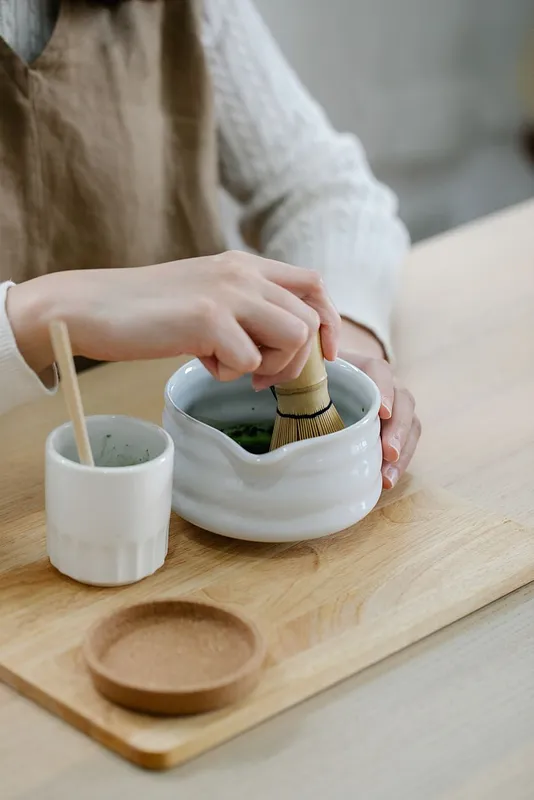
For sencha, a kyusu. For matcha, a bamboo whisk and a wide bowl. What each Japanese tea tool does, and which ones you can skip.
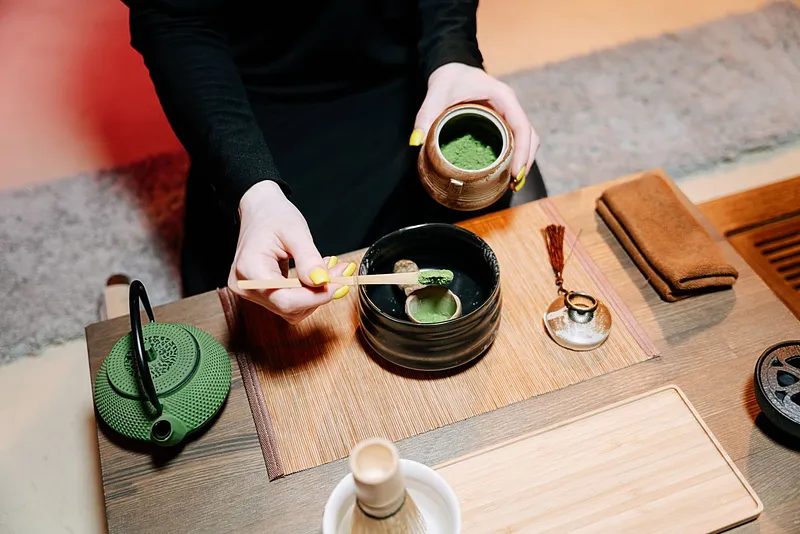
Chanoyu, step by step: the sweet, the whisking, why guests turn the bowl, thin versus thick tea, and what to know if you're invited.
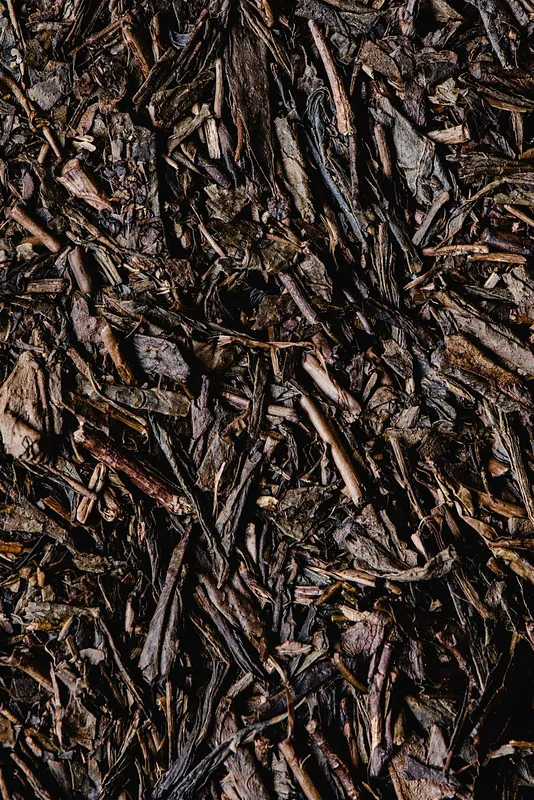
Hojicha is roasted green tea; genmaicha is green tea with toasted rice. Both are low in bitterness, gentle on caffeine, and hard to brew badly.
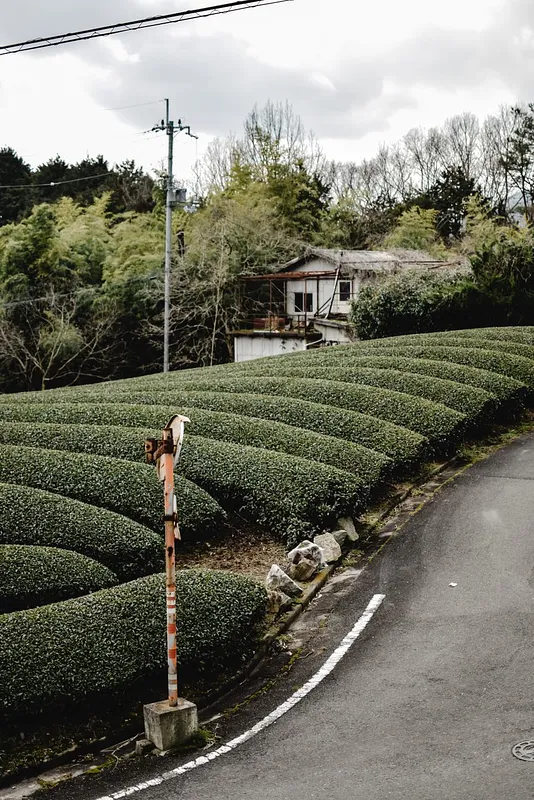
Three weeks of shade make gyokuro sweet, savory, and low in bitterness. Why shading works, and how to brew it cool and concentrated.
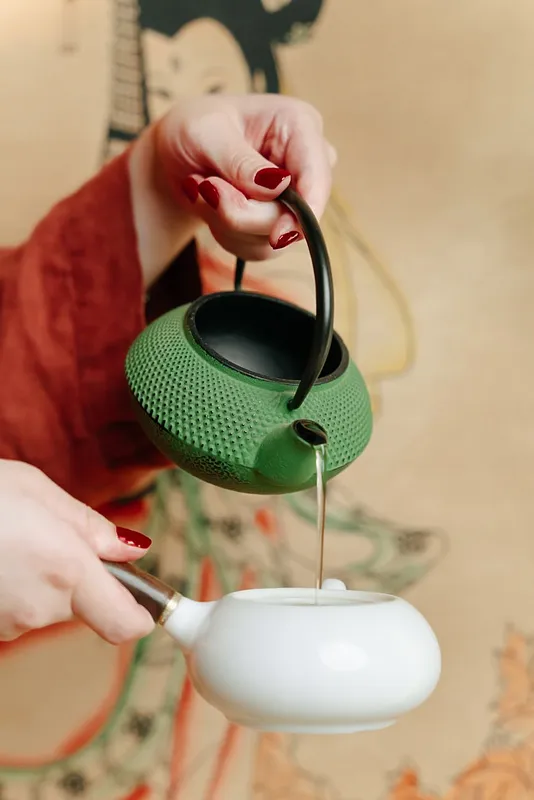
Sencha wants 160-175°F water, a one-minute steep, and every drop poured out. How to brew it in a kyusu or a mug, and re-steep it.
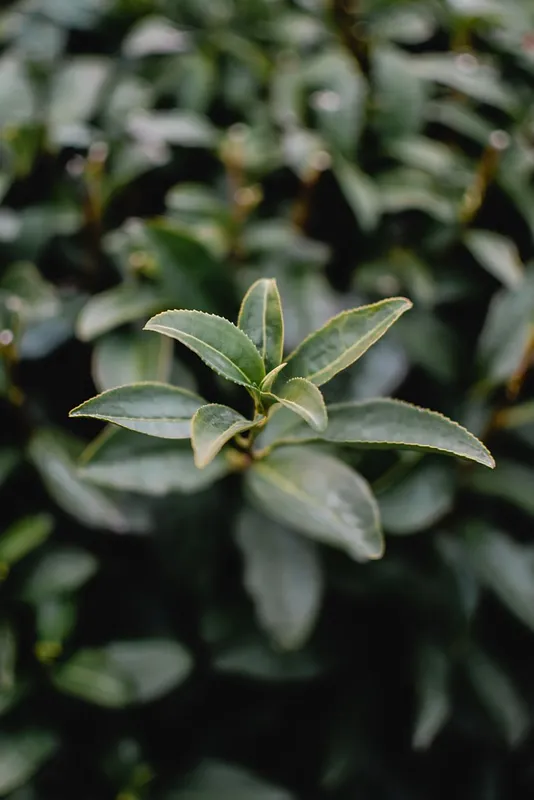
Nearly all Japanese tea is steamed green tea. How shading, harvest, and roasting turn one leaf into sencha, gyokuro, hojicha, and more.
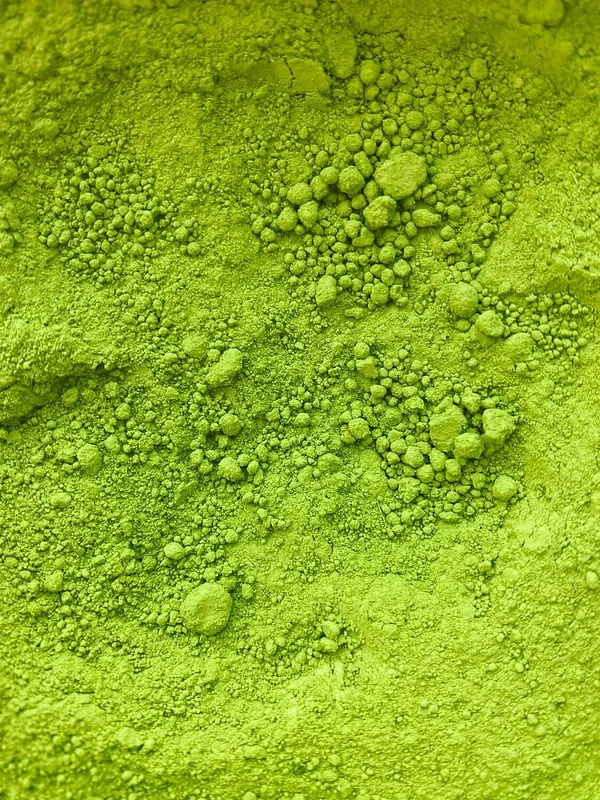
Color, texture, aroma, and price all signal matcha quality. Here's how to tell ceremonial from culinary grade before you buy.
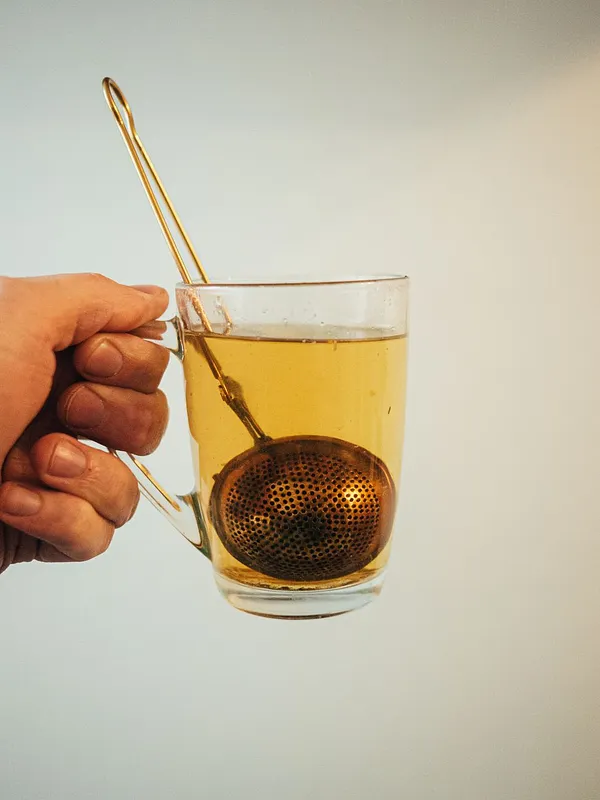
No. You can brew loose leaf with a mug and a strainer. What each option costs, and which infusers are worth skipping.
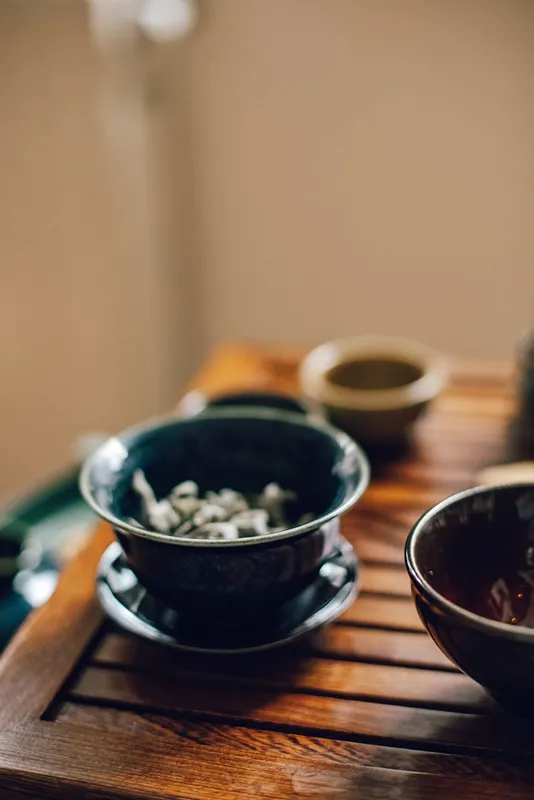
A gaiwan is the most versatile vessel in tea. How to hold one, how to run a session, and which teas suit it best.
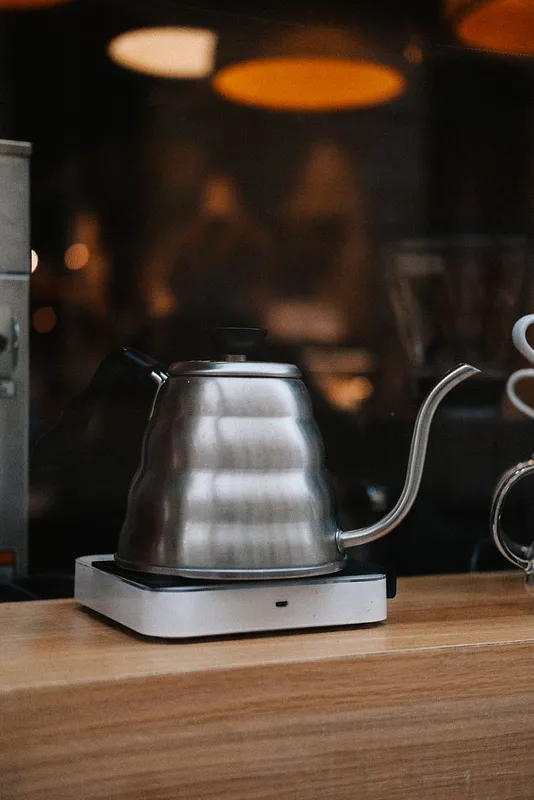
Which kettle you need depends on whether you drink green tea. What temperature control buys you, and what to skip.
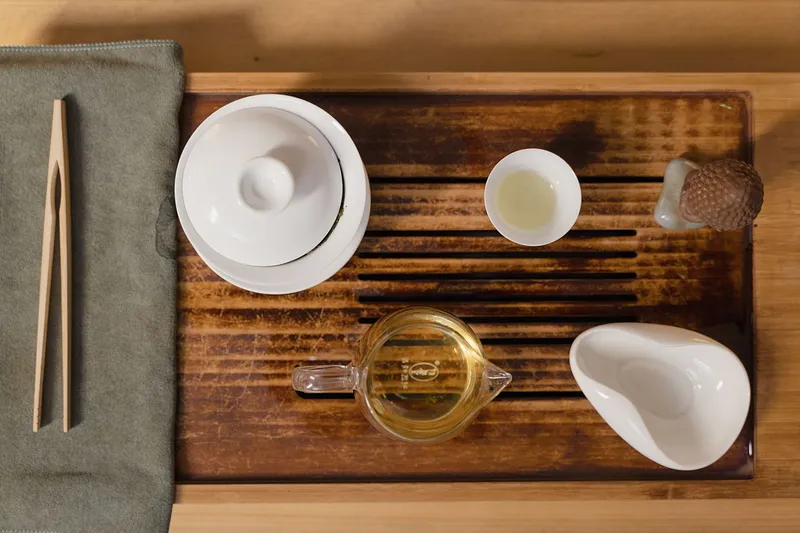
An honest verdict on infusers, kettles, gaiwans, scales, and teapots — what each one buys you, and where spending stops paying off.
Cold storage helps matcha and fine greens but not black tea. How to avoid condensation and fridge odors, and when to skip it.
Shelf life by tea type, how to tell when tea has gone stale, and why pu-erh is the one that gets better with age.
Air, light, heat, moisture, and odor are what stale your tea. Where to keep it — and why the fridge is usually a mistake.
Tea hydrates about as well as water. Why caffeine's diuretic effect is too small to matter, and what the trials actually found.
Roughly 25-50 mg per cup, versus about 95 mg for coffee. Amounts by tea type, and why brewing matters more than type.
Green, black, oolong, white, and herbal teas each bring something different. A guide to what the research actually supports.
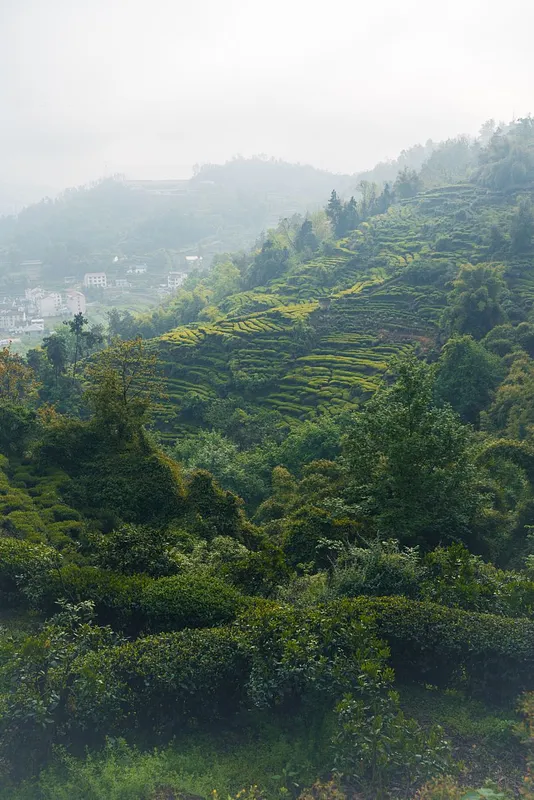
From a Han emperor's tomb to the British breakfast table: how tea moved from cakes to powder to loose leaf, and then around the world.
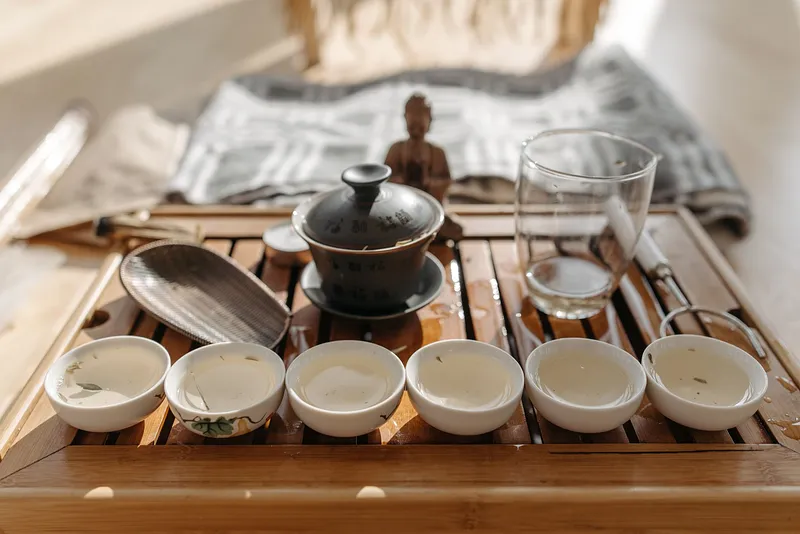
Gongfu cha uses a small vessel, more leaf, and many short steeps. What you need, how a session runs, and why it tastes better.
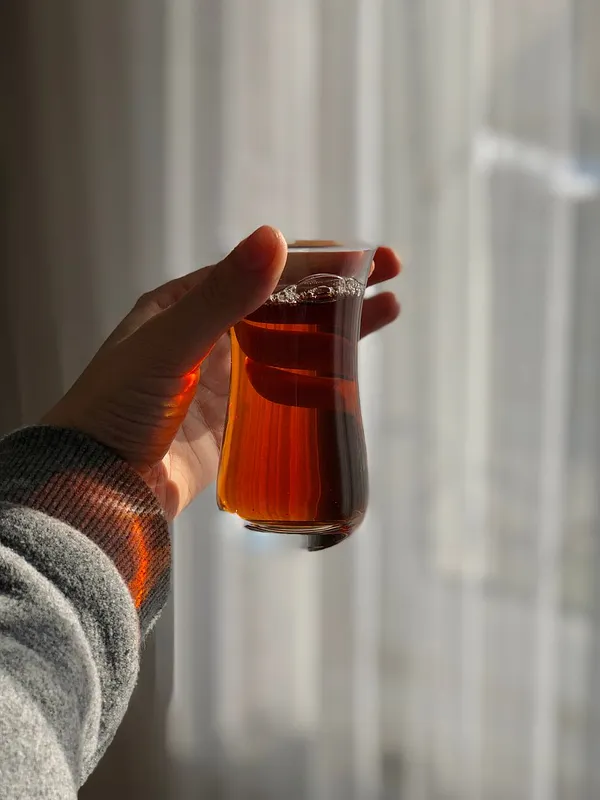
A tea ritual takes about ten minutes. Why the preparation itself is the point, and how to build a practice that survives a busy week.
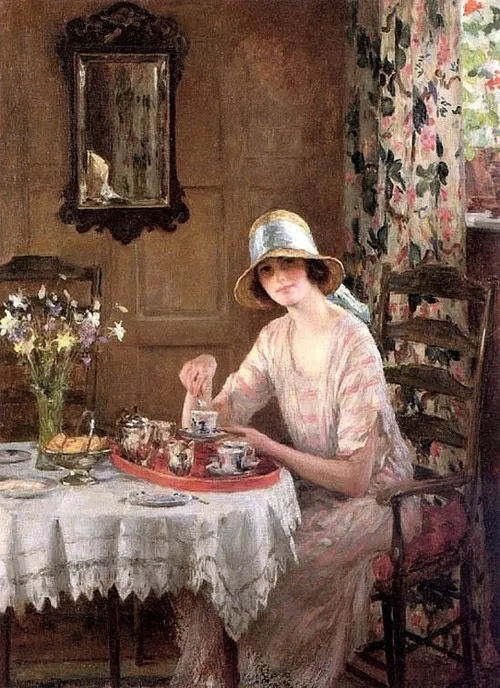
From boys' adventure books to women at the tea table: the life of William Henry Margetson and his painting Afternoon Tea.
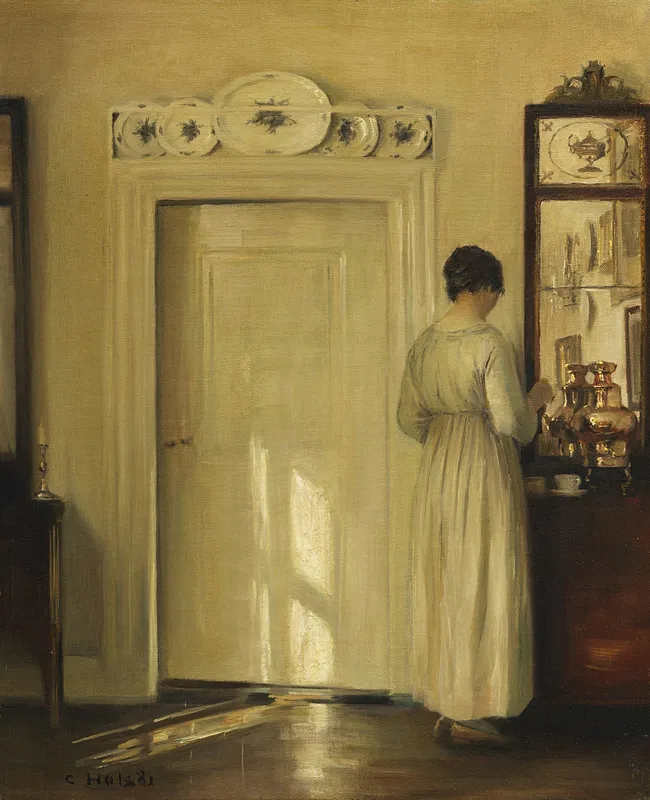
Carl Holsøe spent his life painting quiet Danish interiors. His friendship with Hammershøi, his wife Emilie, and a woman making tea.
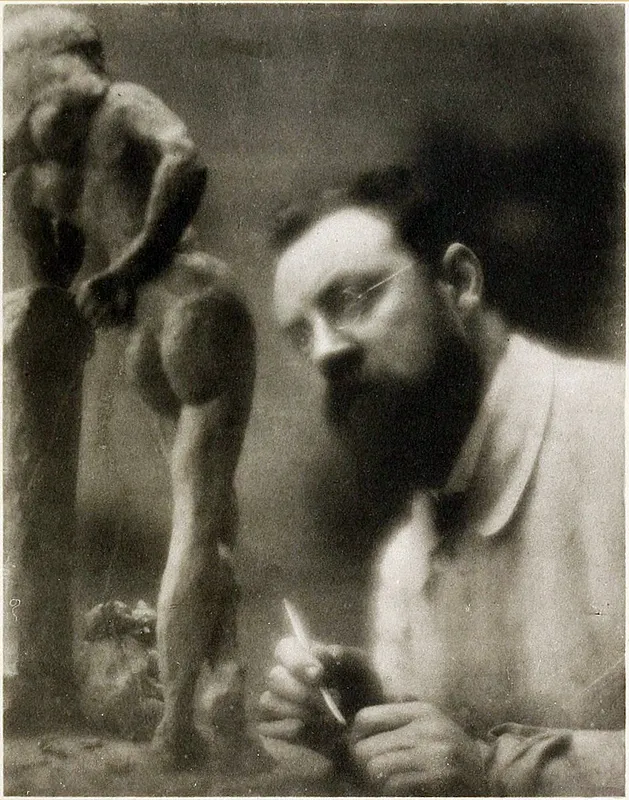
Matisse's Tea shows his daughter Marguerite in the family garden in 1919. The painter, his most patient model, and the end of a chapter.
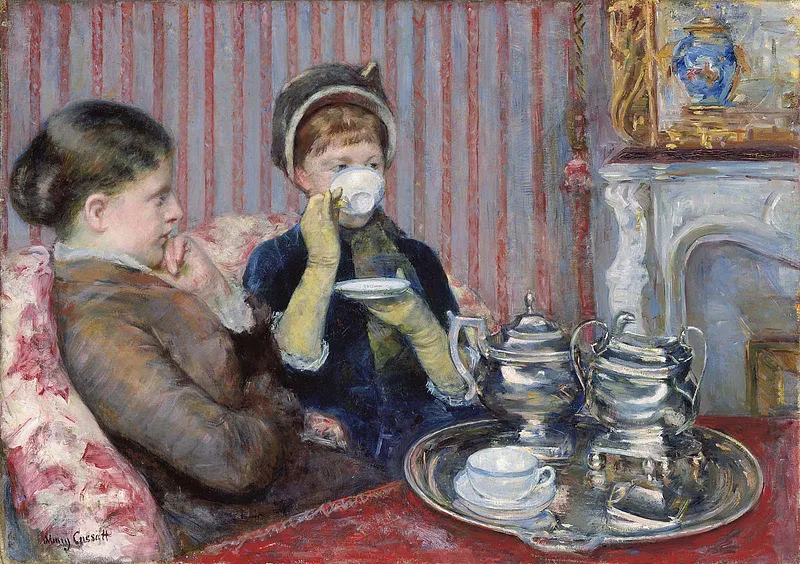
Why Mary Cassatt kept painting the tea table: her family's silver, her sister Lydia, and an Impressionist's case for everyday life.
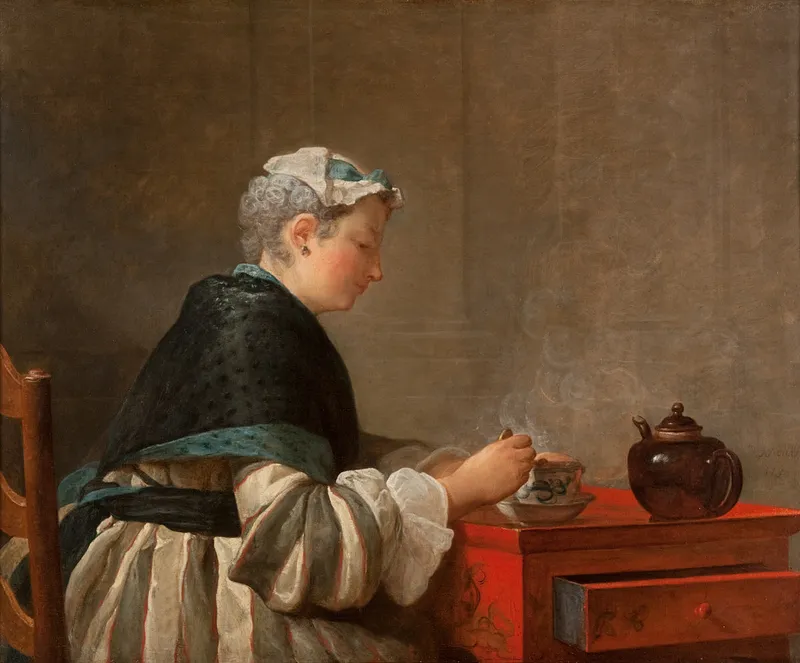
In 1735 a painter of fruit and copper pots painted a woman stirring her tea. Who Chardin was, why he turned to people, and what tea meant in his Paris.
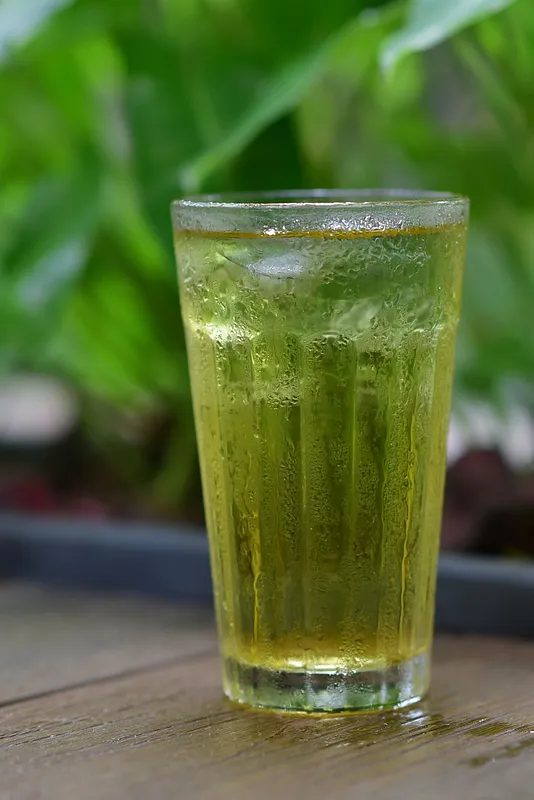
Cloudy tea is usually harmless tea cream or hard water. How to tell which, how to keep iced tea clear, and when to pour it out.
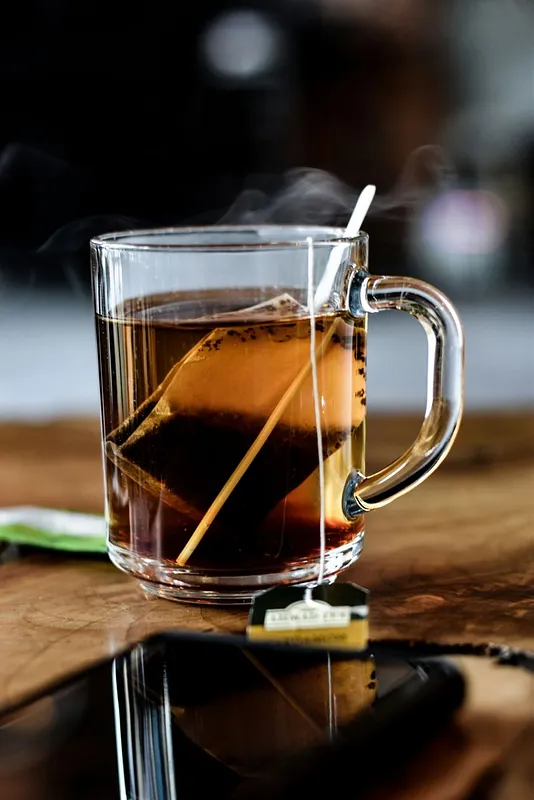
It won't hurt you, but it makes tea bitter. Why tannins keep extracting, how long bags should steep, and why not to squeeze.
Bitter tea comes down to five causes: water too hot, steeped too long, too much leaf, hard water, or stale leaf.
Get the full experience on our app