Darjeeling

How to Brew Darjeeling

Steep time
3m – 4m
Water temperature
90°C – 95°C

About Darjeeling

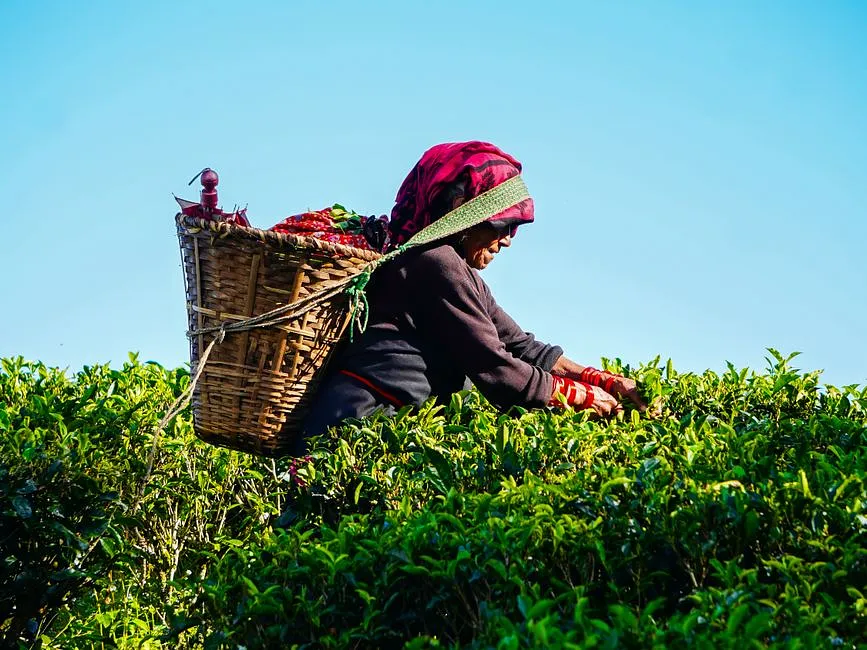
Darjeeling comes from the Darjeeling hills of West Bengal, India, in the foothills of the Himalayas. It is grown at high elevation, mostly from the small-leaf Chinese variety of the tea plant, and its name is a protected geographical indication: only tea from the district's registered gardens can be sold as Darjeeling. It's sold by harvest, or flush: the light, fresh first flush in spring, the fuller second flush in early summer, and the autumn flush after the monsoon.

What it tastes like

Lighter and more aromatic than most black teas. First flush is floral and green with a brisk finish; second flush is rounder, with the muscatel note often compared to grapes. Many Darjeelings are not fully oxidized, so they can taste somewhere between a black tea and an oolong.

Step by step

  1. Measure your tea Use about one teaspoon of Darjeeling leaves per 8 oz cup.
  2. Heat the water Bring fresh water to 90°C – 95°C. Water that is too hot will scorch the leaves.
  3. Steep Pour the water over the leaves and steep for 3m – 4m. Start at the shorter time and taste as you go.
  4. Strain and serve Remove the leaves as soon as the steep is done so the tea does not turn bitter.

Brewing tips

  • Check the label for the flush and the garden. A first flush and a second flush from the same estate taste very different.
  • Drink it plain or with a thin slice of lemon. Milk covers its delicate aroma.
  • Pair it with light afternoon fare like cucumber sandwiches, shortbread, or fresh fruit.

Timer

Darjeeling steeps for 3m – 4m — start the clock as you pour.

Darjeeling

Timing every cup? The app has this timer for every tea. Get the app →

Enjoy your tea. Next time, the app remembers the time and temperature for you. Get the app →

Other ways to brew Darjeeling

In a mug or teapot

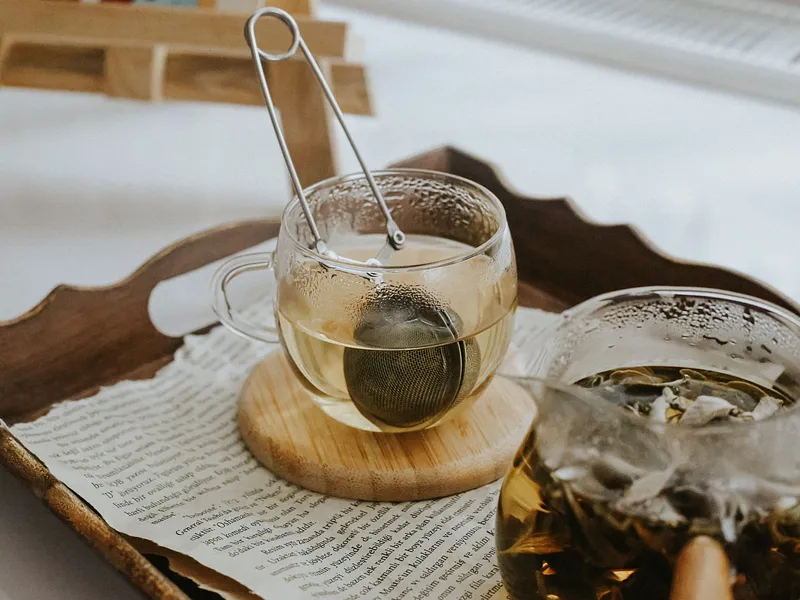
Use one to two teaspoons (2–3 g) of leaf per 8 oz (240 ml) cup. Darjeeling is gentler than other black teas, so use water just below boiling, 194–203°F (90–95°C), and steep 3–4 minutes. Let the kettle rest about a minute after it boils. Start at 3 minutes; a minute too long is enough to turn a first flush sharp.

In a gaiwan or small pot

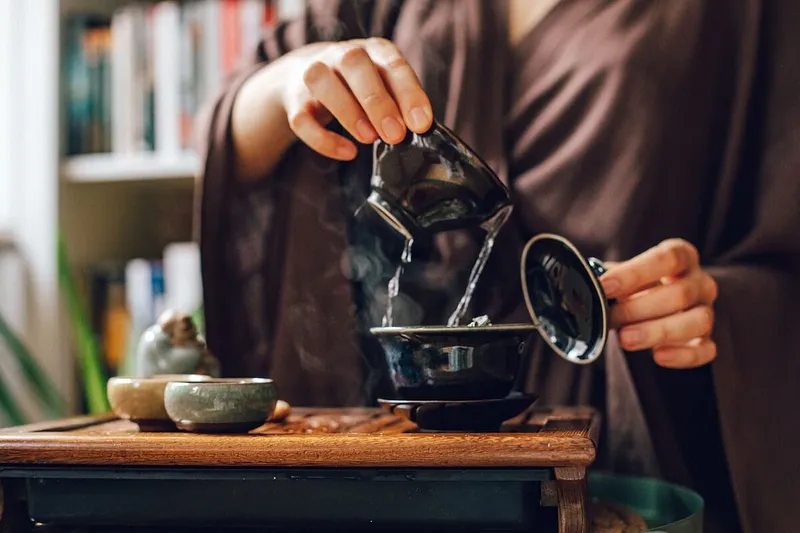
Good whole-leaf Darjeeling is worth brewing more carefully: about 4–5 g in a 4 oz (120 ml) vessel with water around 194°F (90°C). Steep 45 seconds to a minute, then add 15–20 seconds each round, for three or four infusions.

Iced Darjeeling

Second flush and autumn flush Darjeelings make a fine iced tea. Brew double strength, about 5 g in 8 oz (240 ml) of water for 3–4 minutes, and pour over ice. Lemon suits it; milk doesn't.

Cold brew

Cold brewing is a good way to drink first flush Darjeeling without any risk of bitterness. Use about 5 g per 8 oz (240 ml) of cold water and refrigerate for 8–10 hours.

Can you re-steep Darjeeling?

Whole-leaf Darjeeling gives a good second cup. Steep it about a minute longer than the first with fresh hot water. First flush teas lose their bright, floral top notes quickly, so the second cup tastes softer; second flush teas hold up better. Broken-leaf and bagged Darjeeling is best steeped once.

If your Darjeeling doesn't taste right

  • Sharp or astringent? Darjeeling, especially first flush, turns bitter faster than other black teas. Use water just below boiling and keep the steep to 3 minutes.
  • Light and thin? That may simply be a first flush, which is pale, green, and floral by nature. If you want body, try a second flush. If it's a second flush and still thin, add a little more leaf.
  • Tastes nothing like the description? Much tea sold as Darjeeling is blended or comes from elsewhere. Look for a named estate and flush on the label, or the Darjeeling logo of a woman holding two leaves and a bud.

Ways to drink Darjeeling

First flush (spring)

Picked in March and April. Pale, floral, and brisk, with a green, almost grapey freshness. Brew at the cooler end, around 194°F (90°C), for 2–3 minutes, and drink it without milk.

Second flush (summer)

Picked in May and June. Fuller and rounder, with the muscatel character Darjeeling is famous for, a fruity note like muscat grapes. It takes slightly hotter water and the full 3–4 minutes.

Autumn flush

Picked after the monsoon, in October and November. Mellow, woody, and coppery, with less of the bright top notes. It's the Darjeeling that takes a splash of milk best.

Frequently asked questions

What temperature should water be for Darjeeling tea?

194–203°F (90–95°C), just below boiling. Darjeeling is more delicate than most black teas, and a full boil can make it astringent, especially first flush teas.

How long should you steep Darjeeling?

3 to 4 minutes. Start at 3, especially with first flush, and taste. Darjeeling turns bitter sooner than malty black teas like Assam.

Do you put milk in Darjeeling tea?

Usually not. Its delicate floral and muscatel flavors get lost under milk. Autumn flush Darjeeling is the exception and can take a splash. A slice of lemon is the more common pairing.

Is Darjeeling a black tea?

It's sold and brewed as a black tea, but many first flush Darjeelings are only partly oxidized and taste closer to a green oolong. That's why they want slightly cooler water than other black teas.

What does muscatel mean in Darjeeling?

It describes a distinctive fruity, slightly winey flavor like muscat grapes. It's most pronounced in second flush teas.

How much caffeine is in Darjeeling?

Roughly the same as other black teas, about 40–60 mg per 8 oz cup, though first flush teas brewed with cooler water often come out a little lower.

Want to taste this one?

Our shop opens soon. Leave your email and we'll let you know the moment Darjeeling is available.

Related Reading

More brewing guides you might enjoy

Back to all brewing guides

Time every steep perfectly with our app

Download on the App Store