Herbal Tea

How to Brew Herbal Tea

Steep time
5m – 7m
Water temperature
95°C – 100°C

About Herbal Tea

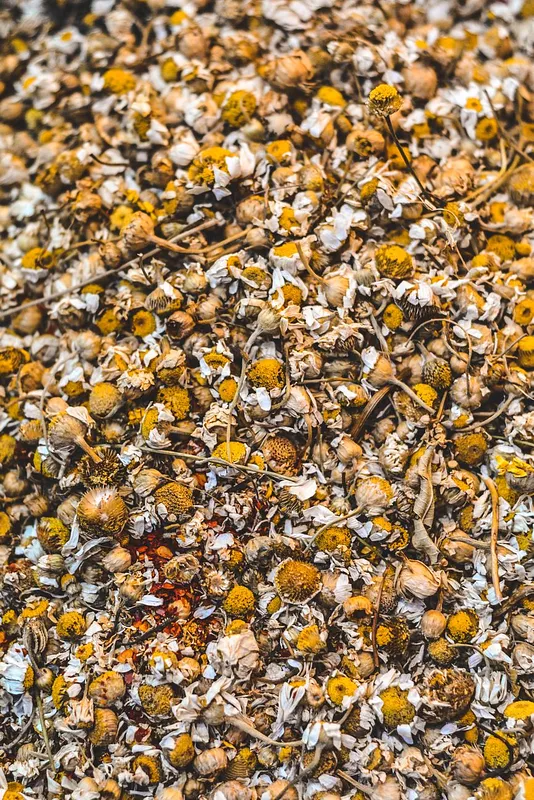
Herbal tea, or tisane, isn't technically tea at all: it's an infusion of flowers, leaves, roots, seeds, or fruit from plants other than the tea plant, Camellia sinensis. Popular herbal teas include chamomile, peppermint, rooibos, hibiscus, ginger, and lemon verbena, along with countless blends. Most are naturally caffeine-free, which makes them a common choice for the evening.

What it tastes like

Flavors vary as widely as the plants themselves: floral and honeyed (chamomile), cooling (peppermint), tart and fruity (hibiscus), or warm and spicy (ginger).

Step by step

  1. Measure your tea Use about one teaspoon of Herbal Tea leaves per 8 oz cup.
  2. Heat the water Bring fresh water to 95°C – 100°C. Water that is too hot will scorch the leaves.
  3. Steep Pour the water over the leaves and steep for 5m – 7m. Start at the shorter time and taste as you go.
  4. Strain and serve Remove the leaves as soon as the steep is done so the tea does not turn bitter.

Brewing tips

  • Check the ingredient list. Some herbal blends include real tea leaves, and with them caffeine.
  • Fresh herbs work too: a small handful of fresh mint, lemon balm, or lemon verbena makes a brighter cup than dried.
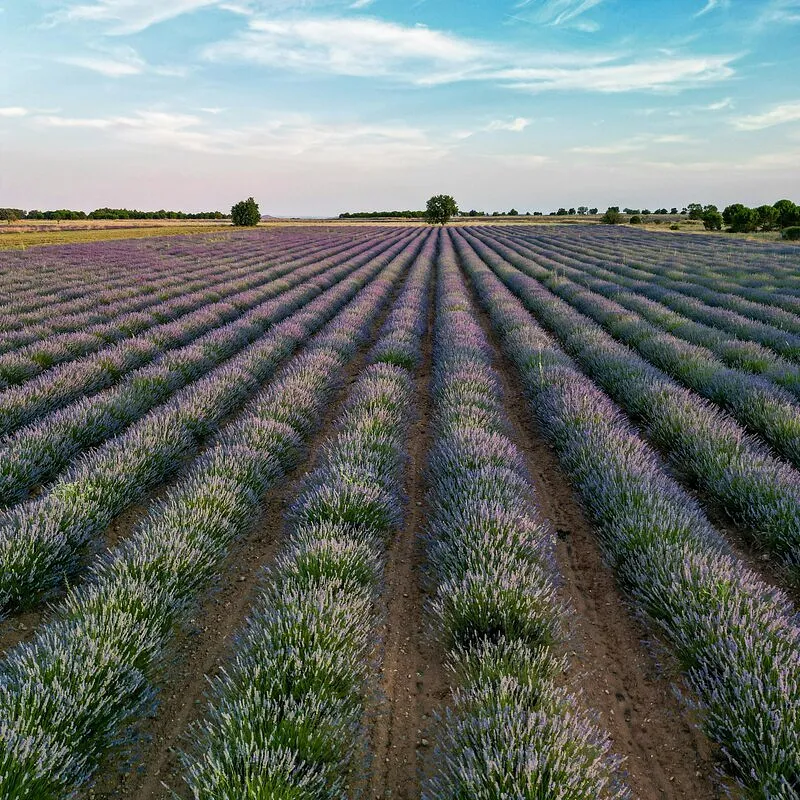
  • Make your own blend: start with one herb you like, then add a pinch of a second, such as ginger, citrus peel, or lavender.

Timer

Herbal Tea steeps for 5m – 7m — start the clock as you pour.

Herbal Tea

Timing every cup? The app has this timer for every tea. Get the app →

Enjoy your tea. Next time, the app remembers the time and temperature for you. Get the app →

Other ways to brew Herbal Tea

In a mug or teapot

Use one to two teaspoons (2–3 g) of dried herbs per 8 oz (240 ml) cup; for light, bulky flowers like chamomile, use a tablespoon. Pour water at a full boil, cover, and steep 5–7 minutes. Roots and bark, such as ginger or cinnamon, can go longer.

Simmered (decoction)

Tough ingredients like ginger, cinnamon bark, licorice root, and dried fruit give up their flavor best when simmered rather than steeped. Simmer them in water for 10–15 minutes, then strain. You can then add delicate herbs off the heat.

With fresh herbs

Use about twice as much fresh as dried: a small handful of mint, lemon balm, lemon verbena, or sage per cup. Bruise the leaves lightly, pour boiling water over them, and steep 5 minutes.

Iced and cold brew

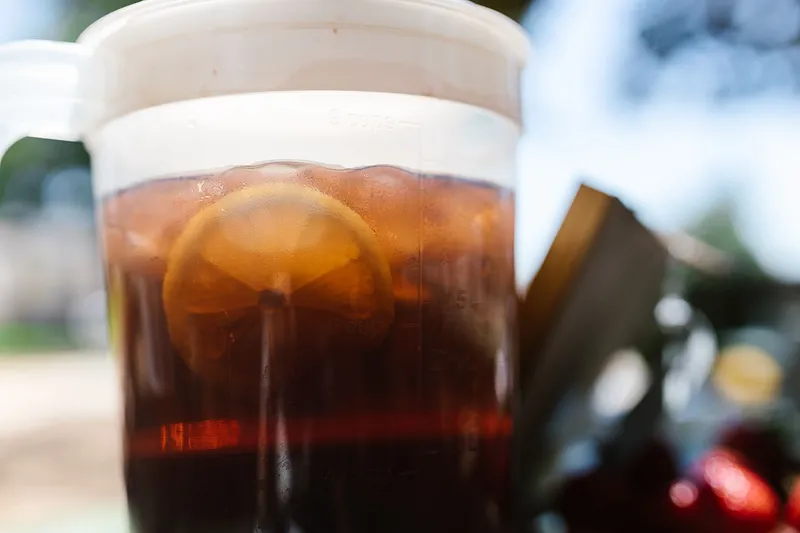
Most herbal teas are excellent iced. Brew double strength and pour over ice, or cold brew with about twice the usual amount in the fridge for 8–12 hours. Hibiscus, mint, and rooibos are especially good cold.

Can you re-steep Herbal Tea?

It depends on the herb. Whole leaves and sturdy ingredients like rooibos, hibiscus, and ginger give a decent second cup. Delicate flowers and finely cut herbs in tea bags give most of their flavor the first time.

If your Herbal Tea doesn't taste right

  • Weak? Use more herbs and water at a full boil, and cover the cup. Herbal teas need more leaf and longer steeps than real tea, and most won't turn bitter.
  • Bitter? A few herbs, including chamomile, some mints, and anything with real tea in the blend, can turn bitter if left too long. Check the ingredients and shorten the steep.
  • Tastes dusty or flat? Herbs lose their aromatic oils over time. Buy whole leaves and flowers when you can, keep them airtight, and use them within a year.

Ways to drink Herbal Tea

Single herbs

Start with one herb you like, such as chamomile, peppermint, rooibos, hibiscus, or ginger, to learn its flavor before blending.

Make your own blend

Pair a base herb with an accent: chamomile with lavender, peppermint with lemon balm, rooibos with orange peel, hibiscus with cinnamon. Start with about three parts base to one part accent.

Herbal lattes

Strongly flavored herbal teas like rooibos, chamomile, and ginger make good lattes. Steep them double strength, then top with steamed milk and a little honey.

Frequently asked questions

How long should you steep herbal tea?

Usually 5 to 7 minutes in water at a full boil. Roots and bark like ginger and cinnamon can go 10 minutes or more. Most herbal teas don't turn bitter, so longer steeps just make them stronger.

What temperature should water be for herbal tea?

203–212°F (95–100°C), a full boil. Dried herbs, flowers, and roots need very hot water to give up their flavor.

Does herbal tea have caffeine?

Most herbal teas are naturally caffeine-free. The exceptions are yerba mate, guayusa, and blends that include real tea leaves, so check the ingredient list.

Is herbal tea really tea?

Technically, no. True tea comes from Camellia sinensis. Herbal teas, or tisanes, are infusions of other plants: flowers, leaves, roots, seeds, or fruit.

Should you cover herbal tea while it steeps?

Yes, especially for aromatic herbs like chamomile and mint. Covering the cup keeps the essential oils in the tea instead of letting them escape with the steam.

How much herbal tea should I use?

One to two teaspoons (2–3 g) of dried herbs per 8 oz (240 ml) cup, a tablespoon for light flowers like chamomile, and about twice as much if you're using fresh herbs.

Want to taste this one?

Our shop opens soon. Leave your email and we'll let you know the moment Herbal Tea is available.

Related Reading

More brewing guides you might enjoy

Back to all brewing guides

Time every steep perfectly with our app

Download on the App Store