About Pu Erh
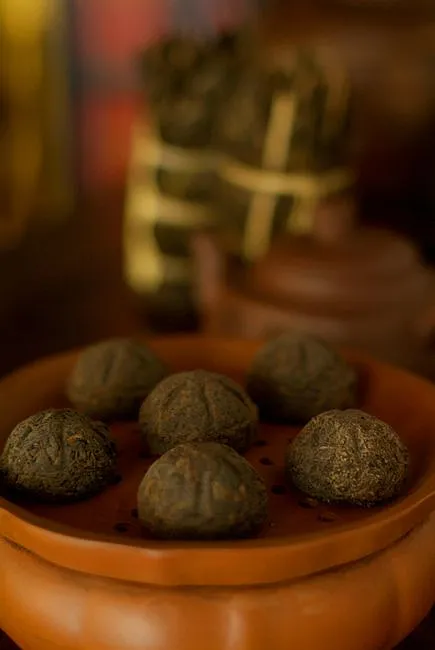
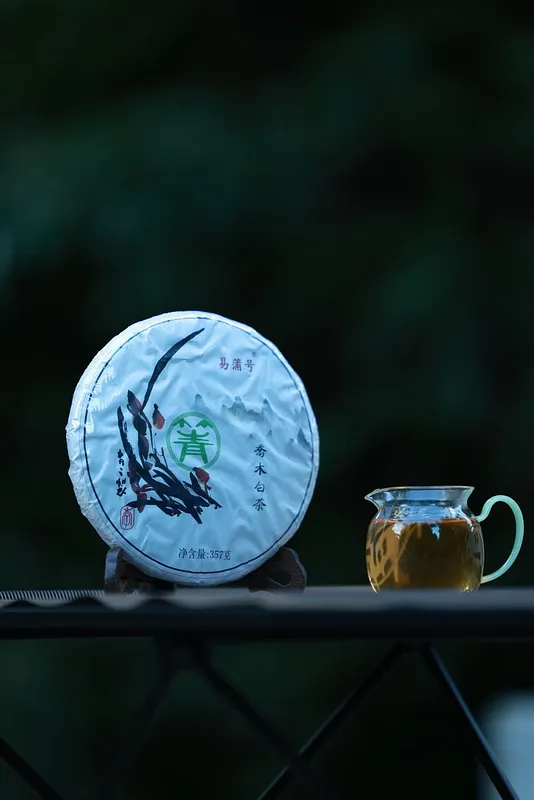
Pu-erh is a fermented tea from Yunnan province in southwest China, named after the town of Pu'er, where it was historically traded. It's made from large-leaf tea plants and comes in two styles: raw (sheng) pu-erh, which ages slowly over years, and ripe (shou) pu-erh, which goes through an accelerated wet-pile fermentation that produces a dark, earthy tea in months. Pu-erh is often pressed into cakes or bricks, and good examples can improve with age.
What it tastes like
Ripe pu-erh is smooth, dark, and earthy, with notes of forest floor, cocoa, and dried dates. Young raw pu-erh is bright and bittersweet; aged raw pu-erh mellows into woody, camphor, and dried-fruit notes.
Other ways to brew Pu Erh
In a mug or teapot
Use one to two teaspoons (3–4 g) of loose pu-erh, or break off a piece of cake about that size, per 8 oz (240 ml) cup. Rinse it first: cover the leaves with boiling water, wait a few seconds, and pour it off. Then steep 3–5 minutes with water at 203–212°F (95–100°C).
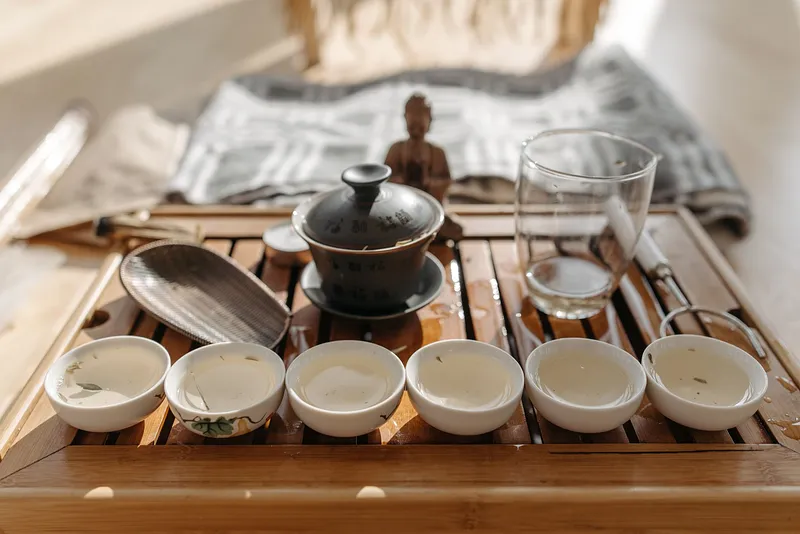
Gongfu style
Pu-erh shines brewed with lots of leaf and short steeps. Use about 6–8 g in a 4 oz (100–120 ml) gaiwan or clay pot. Rinse once or twice, then steep 10–15 seconds, pouring out completely each time. Add 5–10 seconds per round. Good pu-erh will give ten or more infusions.
Breaking a cake
Slide a pu-erh knife or a blunt butter knife into the edge of the cake, parallel to its surface, and lever gently to lift off layers rather than crumbling the leaves. Small, whole chunks brew more evenly than broken bits.
Thermos brewing
For a long day, put 2–3 g of rinsed ripe pu-erh in a large thermos of boiling water. Ripe pu-erh is forgiving enough to steep for hours, getting dark and strong but staying smooth.
Can you re-steep Pu Erh?
Pu-erh is one of the best teas to re-steep. In a mug, it gives three or four infusions: add a minute or so each round. Brewed gongfu style, it can give ten or more. Raw pu-erh often hits its best around the third to fifth steep, once the compressed leaves have fully opened.
Ways to drink Pu Erh
Raw pu-erh (sheng)
Pressed and left to age naturally, sometimes for decades. Young sheng is bright, bitter, and fruity; aged sheng becomes smoother, sweeter, and more complex. Brew young sheng with slightly cooler water, around 195–203°F (90–95°C).
Ripe pu-erh (shou)
Fermented over a couple of months to imitate the effect of aging. Dark, earthy, and smooth, with notes of cocoa and wet wood. It's the more forgiving of the two and takes boiling water and long steeps.
With dates or chrysanthemum
In Hong Kong, ripe pu-erh is often brewed with dried chrysanthemum flowers to lighten it. A dried red date or a strip of dried tangerine peel adds sweetness.