Sencha

How to Brew Sencha

Steep time
1m – 1m 30s
Water temperature
70°C – 80°C

About Sencha

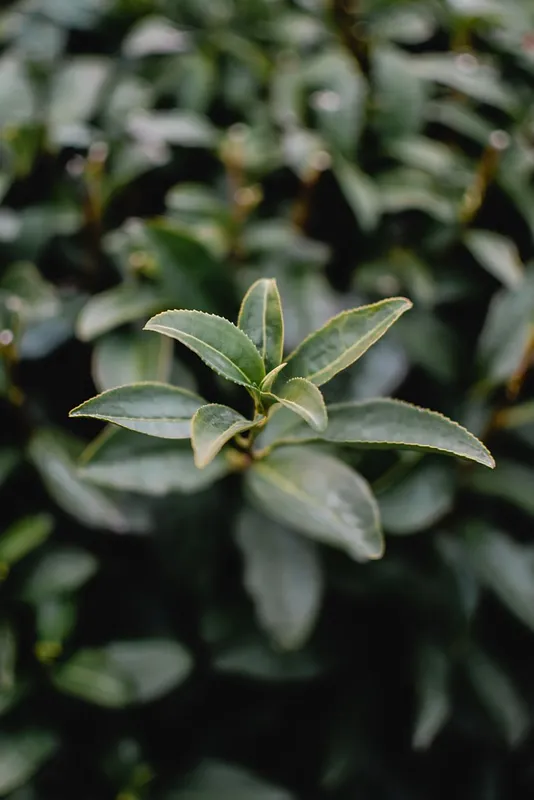
Sencha is Japan's everyday green tea, and about two-thirds of the tea grown there. The leaves are steamed within hours of picking to stop oxidation, then rolled and dried into thin, dark green needles. Steaming, rather than the pan-firing used for most Chinese green tea, is what gives sencha its bright color and grassy, savory character. Shizuoka and Kagoshima are the largest growing regions.

What it tastes like

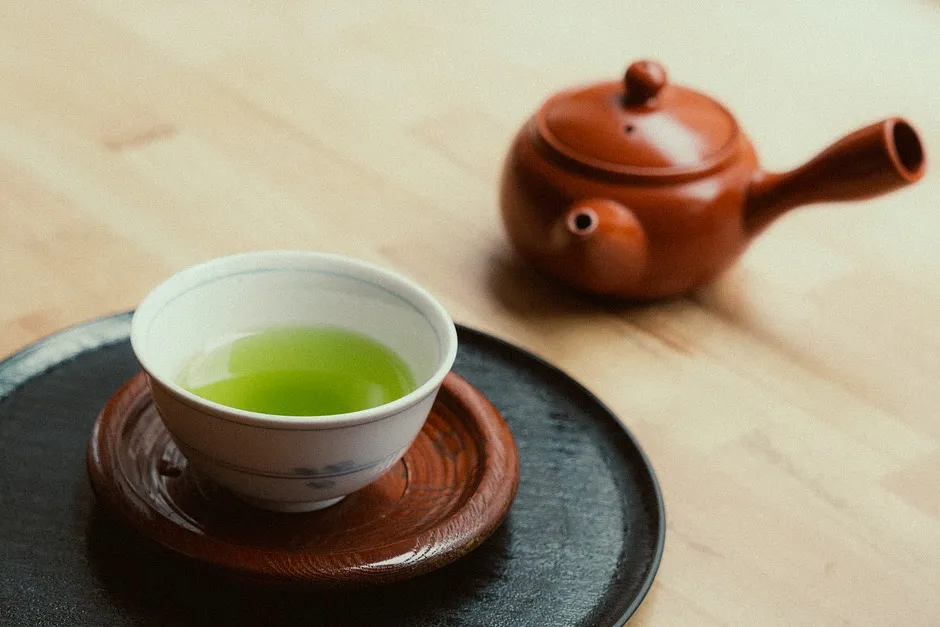
Fresh and vegetal, with notes of cut grass, steamed greens, and a savory, slightly oceanic edge, balanced by a clean sweetness and a light, pleasant astringency. Deep-steamed (fukamushi) sencha is darker, cloudier, and richer; light-steamed (asamushi) is clearer and more delicate.

Step by step

  1. Measure your tea Use about one teaspoon of Sencha leaves per 8 oz cup.
  2. Heat the water Bring fresh water to 70°C – 80°C. Water that is too hot will scorch the leaves.
  3. Steep Pour the water over the leaves and steep for 1m – 1m 30s. Start at the shorter time and taste as you go.
  4. Strain and serve Remove the leaves as soon as the steep is done so the tea does not turn bitter.

Brewing tips

  • Buy small amounts and use them within a couple of months of opening. Sencha loses its freshness faster than most teas.
  • Shincha, the first sencha of the year, arrives in May and is especially sweet and fresh. It's worth seeking out.
  • Pair it with simple Japanese food, like rice, grilled fish, and pickles, or a lightly sweet wagashi.

Timer

Sencha steeps for 1m – 1m 30s — start the clock as you pour.

Sencha

Timing every cup? The app has this timer for every tea. Get the app →

Enjoy your tea. Next time, the app remembers the time and temperature for you. Get the app →

Other ways to brew Sencha

In a kyusu

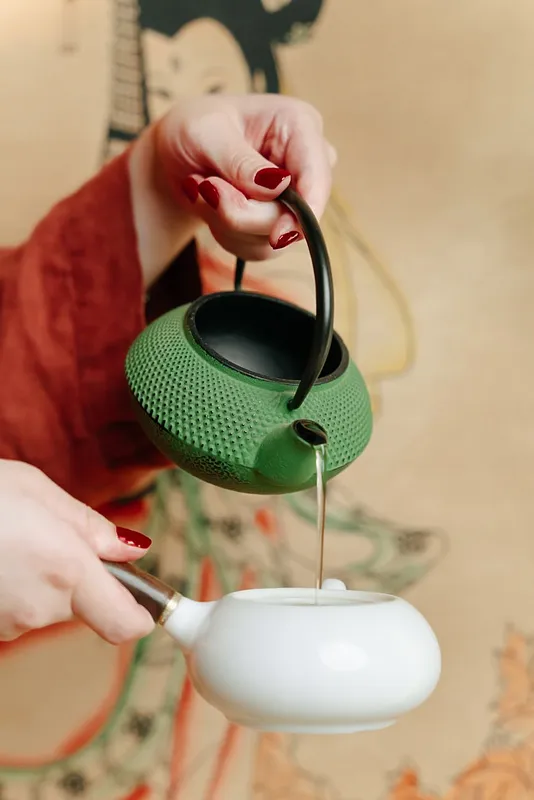
The side-handled kyusu is made for sencha, with a fine built-in strainer that holds back the small needles. Use about 5 g (two teaspoons) of leaf for 6 oz (180 ml) of water at 158–176°F (70–80°C). Steep 60–90 seconds, then pour it all out into the cups, alternating between them so each gets the same strength. Shake out the last drops; they're the strongest and sweetest.

In a mug or teapot

Use about one heaping teaspoon (2–3 g) per 8 oz (240 ml) cup and water at 158–176°F (70–80°C). Steep 60–90 seconds and strain. Sencha needles are fine, so use a fine mesh infuser rather than a coarse basket.

Cooling the water without a thermometer

Boil the water, then pour it into the empty cups you'll drink from, and from there into the pot. Each pour into a room-temperature vessel cools it by roughly 10–20°F (5–10°C), so two pours from the boil lands you close to the right range. It also warms the cups.

Cold brew (mizudashi)

Put about 10 g of sencha in 17 oz (500 ml) of cold water and refrigerate for 3–6 hours. Cold-brewed sencha is sweet, savory, and almost free of bitterness. In Japan it's a summer staple.

Can you re-steep Sencha?

Yes, and the second steep is often the best. The leaves are already open, so the second infusion needs only about 15–30 seconds, with water a few degrees hotter. A third steep at about a minute brings out a more astringent, refreshing cup. Pour every infusion out completely so the leaves don't sit in water between steeps.

If your Sencha doesn't taste right

  • Bitter? The water was too hot or the steep too long. Sencha releases bitter catechins quickly above 176°F (80°C). Cool the water and keep the first steep around a minute.
  • Cloudy and green? That's normal for deep-steamed (fukamushi) sencha, whose leaves break into fine particles. Light-steamed sencha brews clearer.
  • Bland or flat? Try more leaf, about 5 g per 6 oz, or check the age of the tea. Opened sencha fades within a couple of months, even when stored well.

Ways to drink Sencha

Fukamushi (deep-steamed) sencha

Steamed two or three times longer than regular sencha. Dark, rich, and less astringent, with a cloudy green liquor. It steeps faster, so try 45–60 seconds.

Shincha

The first harvest of the year, sold fresh in spring. Sweet, bright, and low in bitterness. Brew it slightly cooler and treat it as a seasonal treat.

Kabusecha

Sencha shaded for about a week before harvest, which makes it sweeter and more savory, between sencha and gyokuro. Brew it a little cooler than regular sencha.

Frequently asked questions

What temperature should water be for sencha?

158–176°F (70–80°C). Higher-grade sencha does best at the cooler end. Boiling water makes it bitter.

How long should you steep sencha?

60 to 90 seconds for the first steep. The second steep needs only 15–30 seconds, because the leaves are already open.

How much sencha should I use?

About 2–3 g (a heaping teaspoon) per 8 oz (240 ml) cup, or 5 g in a 6 oz kyusu for a richer cup.

What's the difference between sencha and matcha?

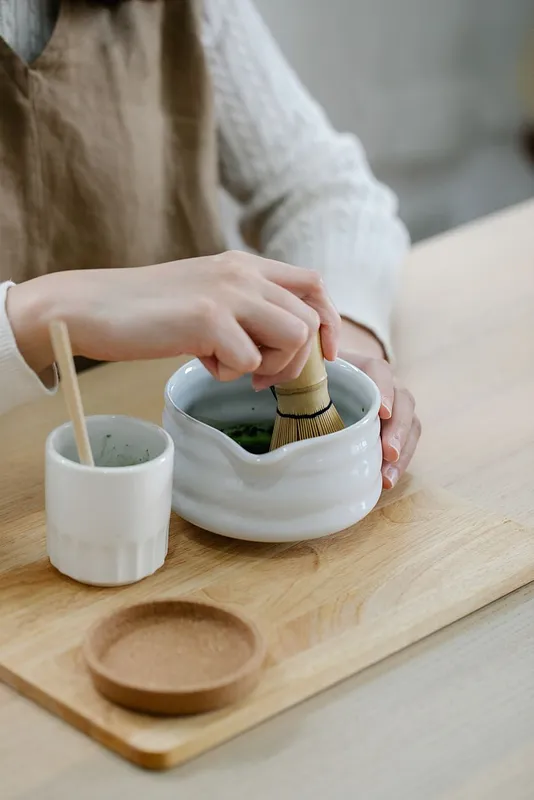
Sencha is grown in full sun and steeped as whole leaves. Matcha is made from shaded leaves ground into powder and whisked into water, so you drink the whole leaf.

Does sencha have caffeine?

Yes, usually about 20–40 mg per 8 oz cup, a little less than black tea. Hotter water and longer steeps extract more.

Can you cold brew sencha?

Yes. Use about 10 g per 17 oz (500 ml) of cold water and refrigerate for 3–6 hours. It comes out sweet and savory, with very little bitterness.

Want to taste this one?

Our shop opens soon. Leave your email and we'll let you know the moment Sencha is available.

Related Reading

More brewing guides you might enjoy

Back to all brewing guides

Time every steep perfectly with our app

Download on the App Store