
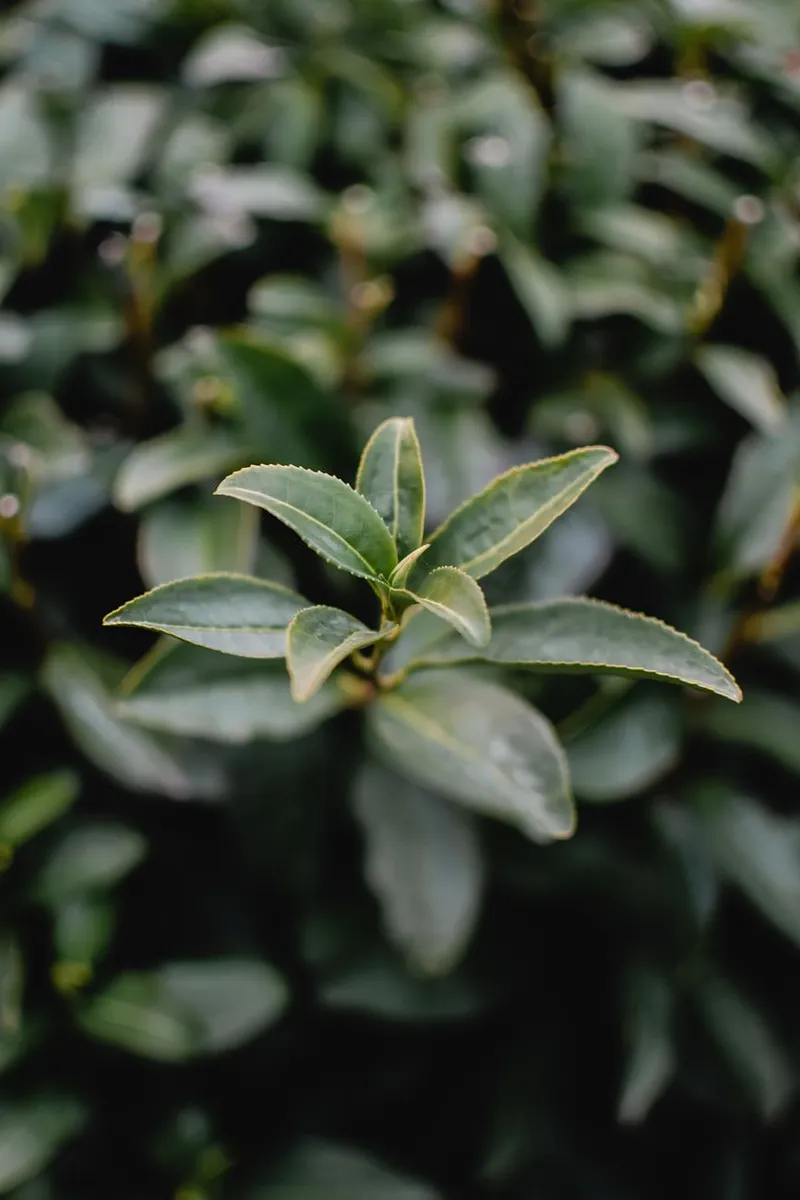
Almost all Japanese tea is green tea, and almost all of it is steamed. The main types differ in how the plant is grown and which leaves are used: sencha (the everyday standard), gyokuro and kabusecha (shade-grown, sweeter, more savory), matcha (shade-grown and stone-ground), bancha (later-harvest leaf), hojicha (roasted), genmaicha (with toasted rice), and kukicha (stems).
Walk into a tea shop in Kyoto and the menu can look like a dozen different drinks. It's really one plant, one processing tradition, and a handful of decisions layered on top. Learn those decisions and every name on the menu makes sense.
Why Japanese tea tastes different from Chinese green tea
The first thing that happens to a picked leaf is heat, which stops it from oxidizing and keeps it green. China mostly does this in a hot pan or drum. Japan mostly does it with steam.
That one choice is responsible for a lot of the Japanese character: the vivid green color, the brothy body, the grassy, sometimes seaweed-like aroma. When researchers made steamed and pan-fired tea from the same leaf, the steamed tea had more of the green, floral aroma compounds, and the pan-fired tea more of the sweet, fruity ones.1
Steaming time matters too. Standard, or asamushi, sencha is steamed briefly. Fukamushi, or deep-steamed, sencha is steamed two or three times as long, which breaks the leaf into smaller pieces and brews a cloudier, deeper green, sweeter cup.
The second decision: sun or shade
A few weeks before harvest, some tea fields are covered with shade cloth or straw. Starved of sunlight, the plant stops converting its sweet, savory amino acid L-theanine into bitter catechins. Shading measurably raises theanine and lowers catechins in the leaf.2 The result tastes rounder, sweeter, and noticeably more umami, the savory taste you also find in broth.
How long the shade stays on is most of the difference between the premium types.
The types, one by one
Sencha
The everyday tea of Japan and the majority of what it produces. Grown in full sun, steamed, rolled into fine needles. Grassy, bright, and a little brisk. Much of it comes from a single plant variety, Yabukita, bred in Shizuoka in the 1950s and now planted across most of Japan's tea fields. If you only try one Japanese tea, this is the reference point everything else is measured against.
Kabusecha
"Covered tea." Shaded for about a week before harvest. It sits between sencha and gyokuro: sencha's brightness with an extra layer of sweetness. Often the best value in Japanese tea.
Gyokuro
"Jade dew." Shaded for around three weeks. Deep, savory, almost brothy, with very little bitterness. Brewed with much cooler water than any other tea, and in small, concentrated cups. The most prized loose-leaf tea in Japan.
Matcha
Made from tencha: leaf shaded like gyokuro but dried flat instead of rolled, with stems and veins removed, then stone-ground into powder. You whisk it into water and drink the whole leaf. See our guide to telling good matcha from bad.
Shincha
Not a type so much as a season. "New tea" is the first sencha of the year, picked in late April and May and sold fresh. Lighter, sweeter, and intensely aromatic, and it doesn't keep — drink it within a few months.
Bancha
Later-harvest sencha, picked in summer or autumn from larger, tougher leaves. Milder, woodier, lower in caffeine, and inexpensive. This is what many Japanese families actually drink with dinner.
Hojicha
Bancha (or sometimes sencha) roasted over high heat until it turns reddish brown. Toasty, nutty, and low in bitterness. Gentle enough for the evening.
Genmaicha
Green tea mixed with toasted brown rice, some of it popped. Savory and comforting, and nearly impossible to brew badly.
Kukicha
Made from the stems and twigs left over from sencha or gyokuro production. Light, sweet, and slightly creamy, with less caffeine than the leaf.
A quick way to compare them
| Tea | Shaded? | Flavor | Water temperature |
|---|---|---|---|
| Sencha | no | grassy, bright | 160–175°F |
| Kabusecha | ~1 week | sweet, rounded | 150–165°F |
| Gyokuro | ~3 weeks | savory, brothy | 120–140°F |
| Bancha | no | mild, woody | 175–195°F |
| Hojicha | no | toasty, nutty | 195–212°F |
| Genmaicha | no | savory, toasted rice | 175–195°F |
| Kukicha | varies | light, sweet | 160–175°F |
Notice the pattern: the more prized and shaded the leaf, the cooler the water. Hot water pulls out bitterness, and the whole point of shading is to keep bitterness down.
Where to start
Start with a good sencha, then try a kabusecha or gyokuro next to it. Tasting sun-grown and shade-grown side by side is the fastest way to understand Japanese tea. Then pick up a hojicha for the afternoons — it's the one people most often fall for unexpectedly.
When you're ready to brew, our guide to brewing sencha covers the technique, and our green tea steep timer keeps the water and time in range.