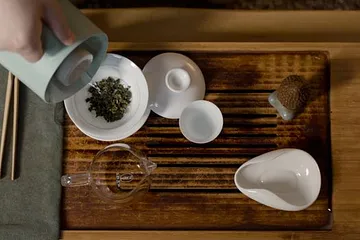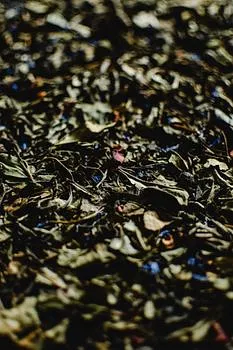
How to brew the perfect cup of tea
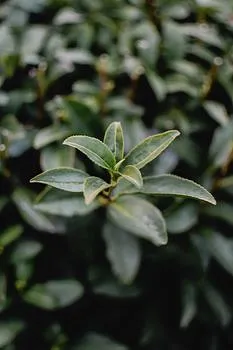
Every type of tea comes from the same plant, Camellia sinensis, or, for herbal tea, from other plants entirely. What makes them taste so different in the cup is how the leaves were processed, and that also decides how they want to be brewed. Three things matter most: the tea water temperature, how long the tea steeps, and how much tea leaves you use. Get those right and the rest is personal preference.
Why tea water temperature matters
Water temperature matters because it changes which flavors come out of the leaves. Cooler water draws out mostly the sweet, savory compounds, while hotter water pulls out the bitter, astringent ones much faster. Green and white teas are young, lightly processed leaves that give up those bitter compounds easily, so boiling water turns them harsh. Black tea, pu-erh, and herbal teas are sturdier and need hotter water to release their full flavor; brewed too cool, they taste thin and flat. That's why one brewing temperature doesn't fit every tea, and why the guide below gives a range for each.
Temperature guide by type of tea
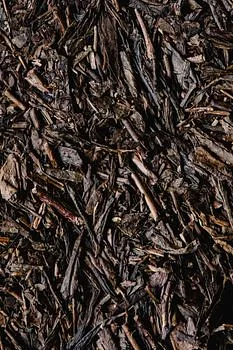
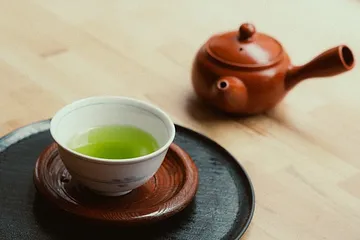
- Green tea: 167–185°F (75–85°C). Japanese steamed greens like sencha sit at the cooler end, pan-fired Chinese greens at the warmer end.
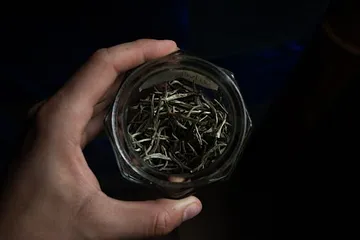
- White tea: 167–185°F (75–85°C). Bud-heavy teas like Silver Needle do best toward the low end.
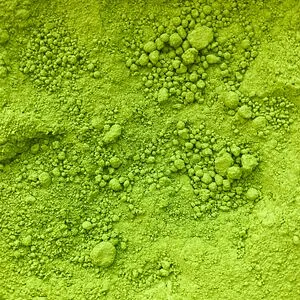
- Matcha: 158–176°F (70–80°C). Hotter water makes the powder taste bitter and burnt.
- Oolong tea: 185–203°F (85–95°C). Lightly oxidized, floral oolongs go cooler; dark, roasted ones go hotter.
- Black tea: 203–212°F (95–100°C), up to a full boil.
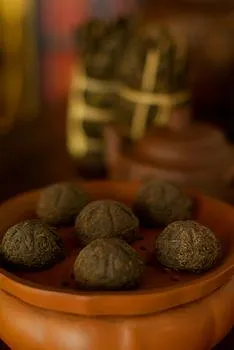
- Pu-erh: 203–212°F (95–100°C). Its compressed leaves need the heat to loosen.
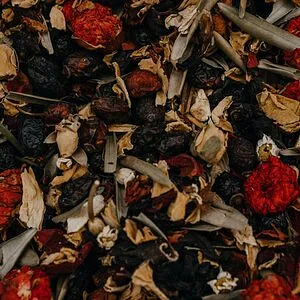
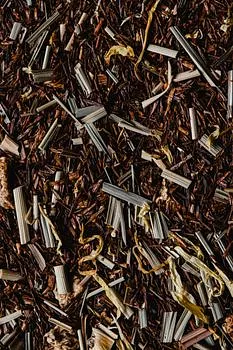
- Herbal tea: 203–212°F (95–100°C). Roots, seeds, and dried flowers need boiling water to give up their flavor, and there's no tea leaf to turn bitter.
Heating water without a thermometer
A variable-temperature kettle makes this easy, but you don't need one. Bring the water to a full boil, then let it rest with the lid off. After about a minute it will be close to 200°F (93°C), right for most oolong. After three to five minutes it drops to around 175°F (80°C), right for green and white tea. Kettle size, room temperature, and how much water you boiled all change those times, so treat them as a starting point.
You can also cool boiling water quickly by pouring it into an empty cup or pitcher first, then into the pot. Each pour takes off a few degrees. For black tea and herbal tea, skip the wait and pour straight off the boil.
Start with fresh, cold water each time. Water that's been boiled over and over goes flat, and filtered water usually tastes cleaner than heavily chlorinated tap water.
How long to steep tea
Temperature decides which flavors come out of the leaves; steep time decides how much of them ends up in the cup. The sweet, aromatic flavors come out in the first minute or two, and bitterness builds the longer the leaves sit. Green tea needs only one to three minutes, black tea and oolong three to five, and herbal tea five or more, since it has no tea leaf to turn bitter. Start at the short end, taste, and add 30 seconds at a time until you find the steep you like.
When the time is up, take the leaves out. Tea left sitting in the water keeps steeping, and a cup that was perfect at three minutes can turn bitter at eight. A basket infuser, a teapot with a removable strainer, or a timer makes this simple.
How much tea to use
A good starting point is about one teaspoon, or 2–3 grams, of tea leaves per 8 oz (240 ml) cup. Large, fluffy leaves like white tea and some oolongs take up more space, so use a heaping spoonful or weigh them. Small, dense leaves like rolled gunpowder green or broken black tea need less. Loose leaf also needs room to unfurl, so give it space in the pot rather than packing it into a tiny tea ball.
Adjusting to personal preference
These numbers will get you a good cup, but your taste decides the final one. When you adjust, change one thing at a time:
- Too bitter or harsh? Use cooler water or a shorter steep. Bitterness usually means the tea was over-extracted, not that it's bad tea.
- Too weak? Add more leaf rather than steeping longer. A longer steep adds strength, but it adds bitterness with it.
- Flat or dull? Use hotter water, fresher water, or fresher tea. Stale leaves and re-boiled water are the usual culprits.
Many whole-leaf teas can also be steeped two or three times. Add a little time on each round, and expect the flavor to change as the leaves open.
Five habits for a perfect cup of tea
- Match the water temperature to the type of tea, not just "boiling."
- Warm the pot or cup with a splash of hot water first, so the brew doesn't cool too fast.
- Time every steep instead of guessing.
- Take the leaves out when the time is up.
- Store tea airtight, away from light, heat, and strong smells, so it stays fresh.