
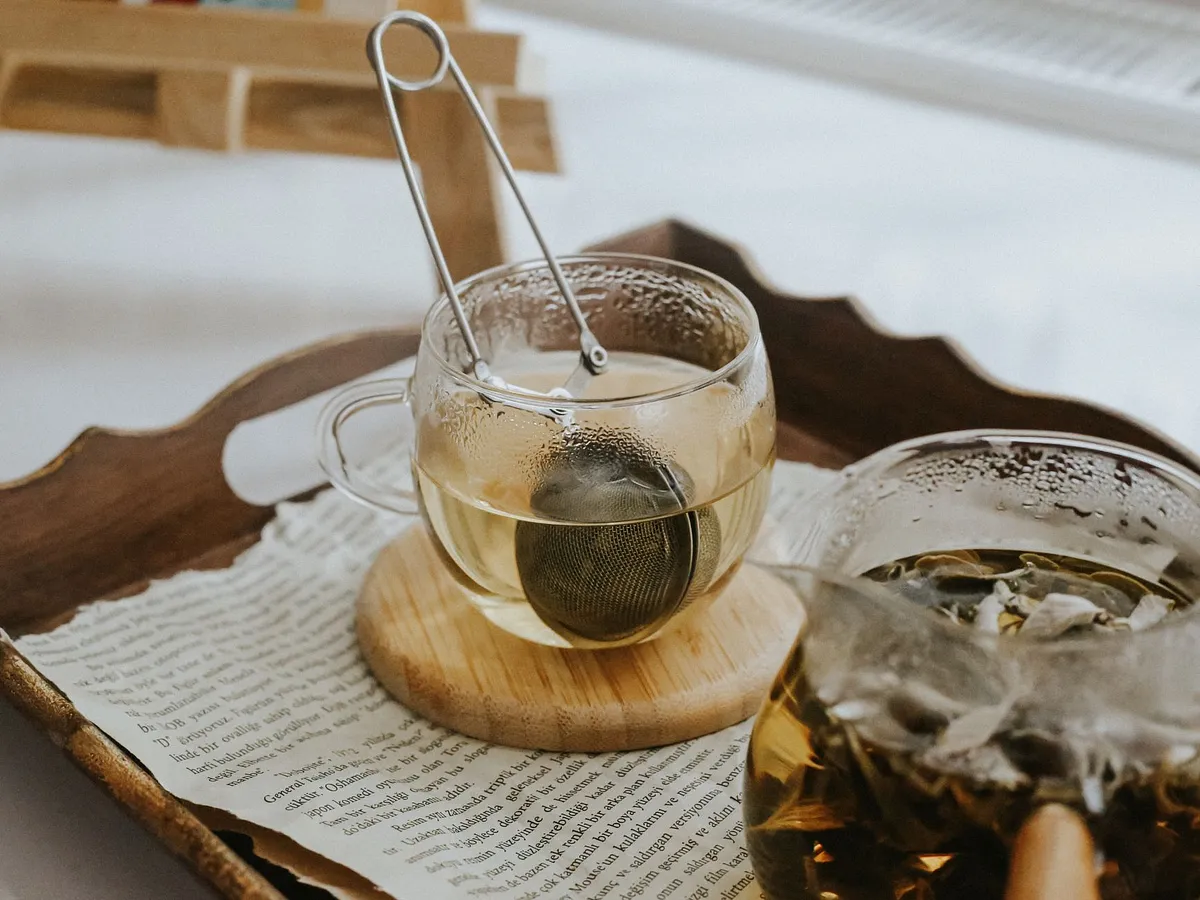
Most loose leaf tea is good for at least two or three infusions, and some of it is best on the second. Throwing leaves away after one cup is the most common waste in tea, and correcting it roughly halves what you spend.
The catch is that a re-steep isn't a repeat. The second cup is a different tea, and knowing what to expect is most of the skill.
Why the second cup tastes different
Extraction isn't uniform. Different compounds leave the leaf at different rates, so each infusion pulls a different mix.
The first steep takes the most soluble things — much of the caffeine, the bright aromatics, the immediate sweetness. What's left behind is heavier and slower: deeper body, more texture, sometimes a mineral or floral quality that the first cup was too busy to show. Most of a leaf's polyphenols emerge within the first several minutes of steeping,1 which is why a second infusion often tastes rounder and less astringent than the first.
This is why experienced drinkers so often prefer the second or third cup. It isn't nostalgia for the leaf — it's that the sharp edges have already gone into cup one.
Which teas reward re-steeping?
- Oolong — the champion. Especially rolled, high-mountain styles. Six to eight infusions is normal for good leaf, and the arc from the second to the fifth is the most dramatic thing in tea.
- Pu-erh — nearly as good, and more forgiving. Ripe pu-erh in particular will go many rounds while changing slowly rather than dramatically.
- Green tea — two or three, with care. The window is narrow because the leaf is delicate. Keep the water cool and the steeps short.
- White tea — two or three, easily. It gives up its flavor slowly, so it has plenty left.
- Black tea — one good re-steep, usually. Broken-leaf blends are largely spent after the first cup; whole-leaf blacks do better.
- Herbals — generally not. Most tisanes give everything they have on the first pass.
The pattern: whole leaves re-steep, broken leaves don't. Processing that tears the leaf up makes everything come out at once.
How to time a re-steep
Add time as you go. The leaf gives up flavor more slowly each round, so holding the steep constant produces progressively weaker cups.
A practical progression for a mug:
- First steep: the normal time for that tea.
- Second steep: add about a minute.
- Third steep: add two minutes over the first.
The other approach is the gongfu one: use far more leaf — around 5–7 grams per 100 ml — and steep in seconds rather than minutes, adding a few seconds each round. That method gets ten infusions out of leaf that would give you two in a mug, and the differences between rounds are much sharper.
The rules that actually matter
- Don't let the leaves sit wet for long between steeps. An hour is fine. Overnight is not — wet leaves at room temperature are a place for things to grow.
- Re-steep the same day. If you must wait, refrigerate the wet leaves and use them the next morning.
- Don't squeeze the infuser. Pressing the leaves forces out exactly the bitter compounds you were leaving behind.
- Judge by taste, not by count. When a steep comes out thin and watery no matter how long you wait, the leaf is done. It will be obvious.
What this changes
Practically: a $30 bag of oolong that seemed expensive is, at five infusions per session, cheaper per cup than most tea bags.
And it reframes what you're buying. Leaf that survives six infusions is leaf that was picked whole and handled carefully — the re-steeping isn't a thrift trick so much as evidence of quality. Cheap broken tea can't do it at all, which tells you something about cheap broken tea.