
Steep green tea 1–3 minutes at 160–180°F, white tea 2–5 minutes at 160–185°F, oolong 3–5 minutes at 185–205°F, black tea 3–5 minutes at 200–212°F, pu-erh 3–5 minutes at 205–212°F after a quick rinse, and herbal or rooibos tea 5–7 minutes at a full boil. Treat these as starting points and adjust to taste.
Use a timer. That's the oldest advice in tea and still the best, because the difference between a lovely cup and a harsh one is often less than a minute. A Darjeeling steeped thirty seconds too long can go from bright to puckering; a green tea left while you answer an email turns from sweet to grassy and sharp. Yet the same leaf, brewed with care the next morning, can taste like a different tea entirely.
Why time and temperature go together
Brewing is extraction. Hot water pulls flavor, aroma, and caffeine out of the leaf, and two dials control how that goes. Temperature sets the speed: hotter water dissolves everything faster, including the bitter compounds. Time sets the amount: the longer the leaf sits, the more of everything ends up in the cup.
Delicate teas carry fragile compounds that turn harsh in very hot water, so they want cooler water and a lighter touch. Sturdy, oxidized teas need near-boiling water and longer to open up. Leaf size matters too. Small, broken leaves expose more surface and give up their flavor quickly; large, whole leaves take their time. No single rule covers every tea, which is why the guide below goes type by type.
Green tea
Water: 160–180°F · Time: 1–3 minutes
This is the tea most people get wrong, almost always for the same reason: boiling water. Tender, unoxidized leaves scald easily, and once they do, sweetness gives way to harsh, grassy bitterness. Let the kettle rest a few minutes off the boil, keep the steep short, and the cup that results will be fresh, clean, and faintly sweet. Japanese greens like sencha prefer the cooler, quicker end of the range; Chinese greens can take a little more of both.
White tea
Water: 160–185°F · Time: 2–5 minutes
White tea wants cool water like green tea, but more patience. Its flavor is so gentle that a rushed cup tastes of little more than warm water. Give it longer than you'd give a green at the same temperature, and taste as you go. A well-steeped white has a soft, honeyed sweetness that's worth the wait.
Oolong tea
Water: 185–205°F · Time: 3–5 minutes
Oolong sits between green and black, and its brewing does too. Lighter, greener oolongs prefer the cooler end; dark, roasted ones can take hotter water. Oolong is also the classic tea for re-steeping. Good leaves will give you three or four infusions, sometimes more, each a little different. If you plan to re-steep, keep the first infusion short and add time with each round.
Black tea
Water: 200–212°F · Time: 3–5 minutes
Fully oxidized and sturdy, black tea wants what the delicate teas fear: water at or near a full boil, and enough time to draw out its depth and body. This is the tea that stands up to milk and sugar, and the one most forgiving of a heavy hand. Even so, a large-leaf Ceylon will tolerate an extra minute far better than a delicate Darjeeling will. Don't wander off for ten.
Pu-erh and dark teas
Water: 205–212°F · Time: 3–5 minutes (after a rinse)
These aged, fermented teas love heat. Many drinkers give the leaves a quick rinse first: a few seconds in hot water, poured off, to wake the leaf and wash away any dust. After that, use fully boiling water and steep to taste. Good pu-erh rewards multiple infusions and often grows smoother and rounder as it goes.
Herbal and rooibos teas
Water: 208–212°F · Time: 5–7 minutes (or longer)
Herbals play by different rules. There are no delicate tea leaves to scorch, so full boiling water is exactly right, and the tougher flowers, roots, and dried fruits need the longest steeps of anything here. Most herbals can't be over-steeped into bitterness the way green or black tea can, so if a chamomile or hibiscus tastes weak, the fix is almost always more time.
A few habits that make every cup better
- Taste, then adjust. If a cup runs bitter, shorten the steep or cool the water next time. If it's thin, add a minute or a little more leaf.
- Mind the measure. About one teaspoon of loose leaf per cup is a fair rule, adjusted up for big, fluffy leaves and down for small, dense ones.
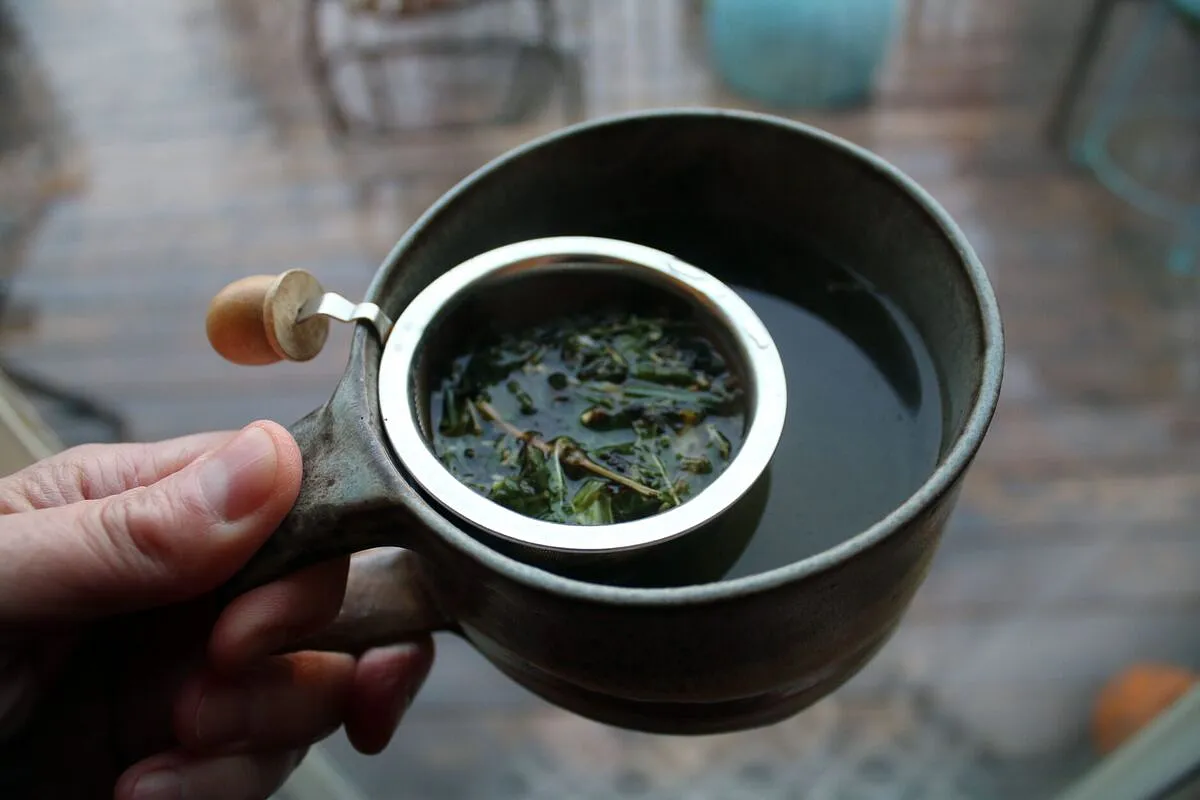
- Take the leaves out when time's up. Leaf left sitting in the water keeps extracting long after it should stop. Use an infuser you can lift out, or pour the tea off the leaves.
- Let the timer remember for you. A two-minute green and a four-minute green are different drinks, and it's easy to lose track. That's why we built a steep timer into the app: set it, walk away, and come back to the cup you meant to make.