
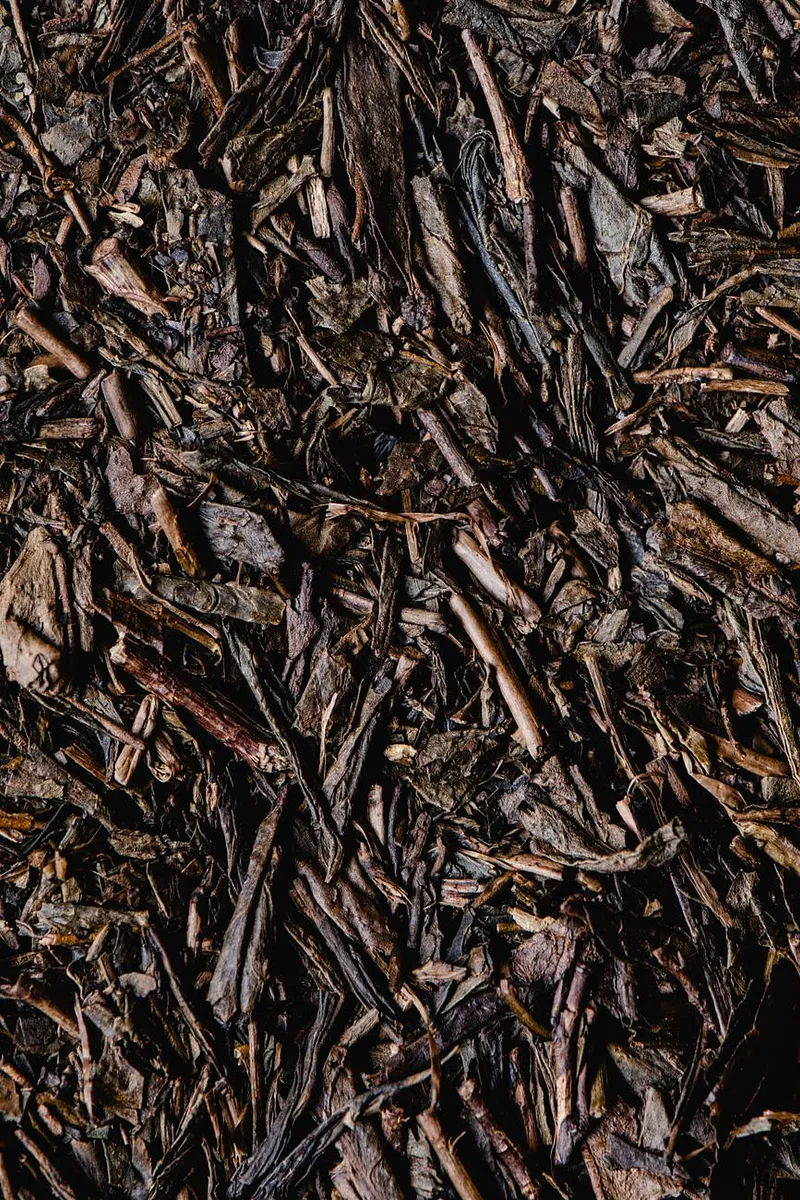
Hojicha is Japanese green tea roasted until it turns reddish brown; it tastes toasty and nutty, with almost no bitterness. Genmaicha is green tea mixed with toasted brown rice; it tastes savory and comforting. Both are inexpensive, low in caffeine, and very forgiving. Brew them with near-boiling water for 30 seconds to 3 minutes.
Japan's premium teas get most of the attention, but these two are what many people actually drink every day — at home, at work, with dinner. They're also the easiest Japanese teas to love on the first sip, especially if green tea has seemed too grassy for you.
What is hojicha?
Hoji means roasted. Hojicha is green tea — usually bancha (later-harvest leaf) or kukicha (stems) — roasted at high heat until the leaves turn a warm reddish brown. It's commonly credited to tea merchants in Kyoto in the 1920s, roasting unsold leaf to give it new life.
Roasting transforms the flavor. The grassy, vegetal notes disappear and are replaced by:
- Toasted nuts and grain
- Caramel and cocoa
- A faint smokiness
The cup is amber or reddish brown, not green. If you didn't know, you might guess it was a light roasted oolong.
Is hojicha low in caffeine?
Lower than sencha, generally. But the reason is less about the roasting than about the leaf. Hojicha is usually made from bancha and stems, which are mature, lower-caffeine parts of the plant compared with the young leaves used for sencha and gyokuro. A hojicha roasted from high-grade sencha will have correspondingly more.
It's still gentle enough that it's commonly served in the evening in Japan, and to children and older people. It's also a frequent choice after meals, since it's mellow and doesn't fight with food.
How to brew hojicha
Hojicha is the one Japanese green tea that wants boiling or near-boiling water. The roasting has already removed most of what hot water would turn bitter.
- Leaf: 2–3 grams (a heaped teaspoon, since the leaf is fluffy) per 8 oz
- Water: 195–212°F
- Time: 30 seconds to 1 minute in a small pot, or 2–3 minutes in a mug
It's also excellent iced, and as a latte: brew it strong, then add warm milk.
What is genmaicha?
Genmai means brown rice. Genmaicha is green tea — traditionally bancha, often sencha — blended about half and half with toasted brown rice. Some of the rice pops during roasting, which is why genmaicha sometimes has little white "popcorn" kernels mixed in.
It's often described as the tea of thrift: rice stretched an expensive ingredient further. Today it's simply loved for its taste:
- Savory and toasty, like toasted rice or popcorn
- A light green-tea freshness underneath
- A round, comforting body
Some genmaicha is dusted with matcha, called matcha-iri genmaicha, which turns the cup a brighter green and adds sweetness.
How to brew genmaicha
Genmaicha falls between sencha and hojicha. The green tea in the blend still wants a little care, but the rice makes it hard to ruin.
- Leaf: 1 heaped teaspoon per 8 oz
- Water: 175–195°F
- Time: 30–60 seconds in a small pot, or 1–3 minutes in a mug
Genmaicha gives one or two good steeps. The rice gives up its flavor early, so the second cup is lighter.
Hojicha or genmaicha?
| Hojicha | Genmaicha | |
|---|---|---|
| Flavor | roasted, nutty, caramel | savory, toasted rice |
| Color | reddish brown | pale gold-green |
| Caffeine | low | low to moderate |
| Water | 195–212°F | 175–195°F |
| Best for | evenings, after meals, lattes | lunch, cool days, newcomers to green tea |
A related cup: kukicha
Kukicha, or "twig tea," is made from the stems left over from processing sencha or gyokuro. It's light, sweet, and creamy, with less caffeine than leaf tea. Roasted kukicha, called bo-hojicha, is especially smooth.
Where to start
If green tea has tasted too grassy for you, start with hojicha. If you like savory flavors, start with genmaicha. Either way, they're forgiving enough that you can brew them by feel and still get a good cup — which is a large part of why they're everyday teas in Japan.
For where they sit among the other Japanese teas, see our guide to the types of Japanese green tea.